
Reviewed · WALKING TOURS
Kampala: Female-Guided Walking Tour
Kampala reveals itself best at street level, and this female-guided walk takes you from monuments and temples into markets where daily life is on full display. Guides such as Fridaus and Fatumah bring personal insight to Uganda’s social life, the role of women, and the practical business of getting through the city.
I like the chance to shape the route around your interests, and I like that the $25 fee supports local women directly. You also get a useful introduction to places many visitors may not feel ready to tackle alone, including Owino Market and the Old Taxi Park. The main caution is pace: one account describes a very fast walk, heavy traffic, many bodas, and stressful road crossings.
In This Review
- Key points to know before you book
- Why a woman-led walk changes the experience
- Starting at Cariboo Restaurant on Speke Road
- Independence Monument and Kampala’s public story
- A short stop at an unnamed local site
- Bagala Craft Market and the first chance to shop
- Nakasero Market: food, shopping, and daily trade
- SSDM Temple and Kampala’s religious mix
- Old Taxi Park and the city in motion
- Owino Market, the longest and most demanding stop
- The optional Uganda National Mosque visit
- What the $25 price really covers
- Who will get the most from this walk
- Should you book the Kampala female-guided walk?
- FAQ
- Where does the tour start?
- How long does the walking tour last?
- What language does the guide speak?
- Is the Uganda National Mosque included?
- Are entrance fees included?
- What should I bring?
- Is the tour suitable for wheelchair users?
Key points to know before you book
- Three hours on foot: The route includes about 50 minutes of walking between stops, plus visits to markets, monuments, a temple, and taxi parks.
- A woman’s local perspective: Your guide can discuss women’s roles, social pressures, work, and ordinary life in Kampala.
- Market time matters: Nakasero Market and Owino Market together take about 55 minutes, with food, shopping, and local products at the center.
- Fridaus and Fatumah have led the tour: Their names are useful to know, though your guide may be someone else.
- Expect traffic and crowds: Street crossings, bodas, people, and uneven city movement can make the walk demanding.
- Good practical preparation: Wear firm shoes, bring water, a hat, and sunscreen, and dress appropriately.
Why a woman-led walk changes the experience
This is not only a sightseeing circuit. The point is to see Kampala through the lived experience of a local woman, with attention to work, family life, social expectations, and the role women play in Uganda. That can add useful context to places that might otherwise look like a quick photo stop.
A female guide may also make a difference in crowded markets and busy streets. You have someone beside you who can help you move through packed areas, explain local customs, and help with market purchases. One guide, Fatumah, also helped a visitor find specific items and negotiate a boda boda fare back to the hotel after the walk.
That kind of practical help is valuable. Kampala’s markets can feel like a lot to handle on your own, particularly if you are trying to watch your belongings, compare prices, and understand what you are seeing at the same time.
Still, this is a working city, not a quiet museum route. You will cross roads with traffic, bodas, and pedestrians moving in several directions. Keep close to your guide and allow yourself time to look around. If you prefer a slow walk with long pauses at each sight, tell the guide at the start and ask how much the route can be adjusted.
A few more Kampala trips to weigh up
- Kampala’s Best Experience walking tour
★ 5.0 · 137 reviews - Kampala Walking City Tours (Women Guided)
★ 5.0 · 115 reviews - Kampala Walking Tour (3 Hours) with Optional Gaddafi Mosque Visit
★ 5.0 · 112 reviews
Starting at Cariboo Restaurant on Speke Road
The walk begins at Cariboo Restaurant on Speke Road, opposite the post office. This is a practical central meeting point, but you should arrive early and make sure you have the guide’s contact details before setting off.
The experience is listed as three hours, and the schedule is fairly full. The walking sections alone add up to about 50 minutes, while the planned stops account for roughly two hours and ten minutes. That leaves little spare time if the group lingers, shops, stops for food, or encounters delays.
The guide speaks English. Since the tour is designed to be flexible, use the opening minutes to explain what interests you most. You might want more history, more food, more shopping, or more time learning about women’s lives. The route can be tailored to the group’s preferences, although the busiest market sections may still set the pace.
Independence Monument and Kampala’s public story
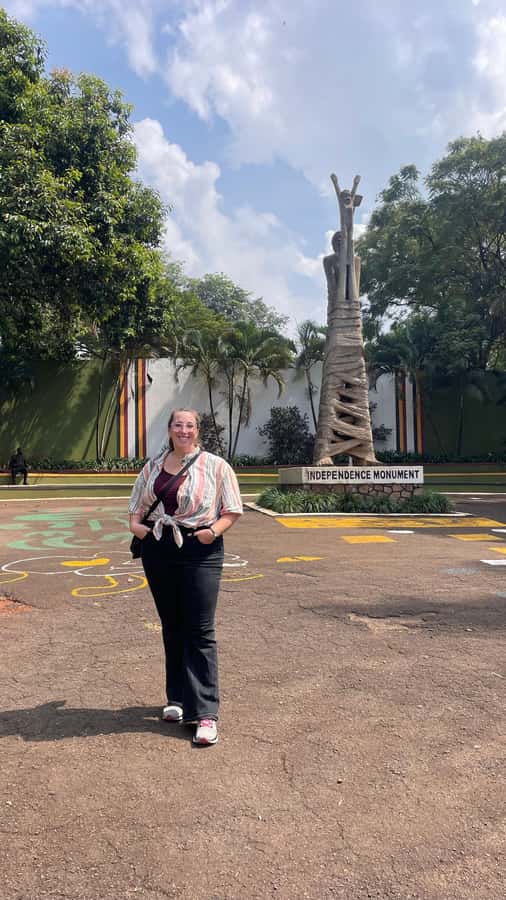
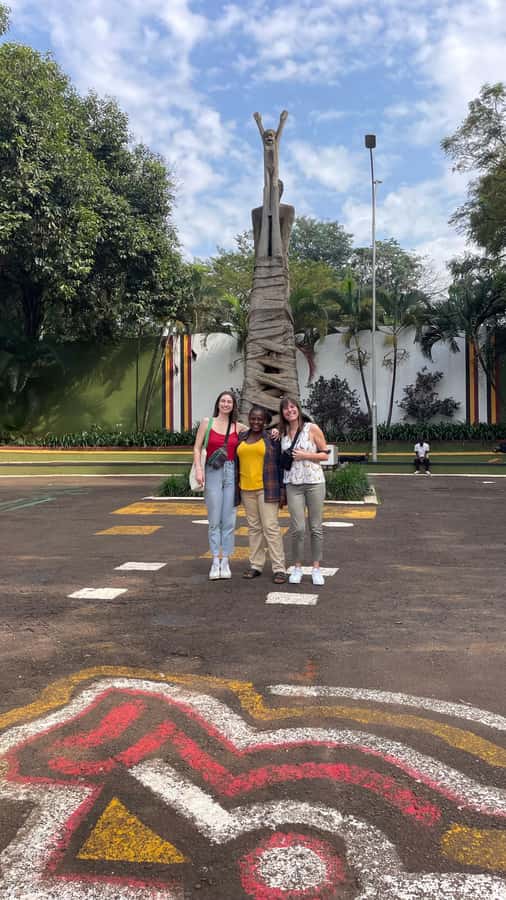
After about five minutes on foot, you reach the Independence Monument for a 10-minute guided visit. This is the first formal stop and gives the walk a political and historical frame before it turns toward markets and commercial streets.
A short explanation here can help you place Kampala within Uganda’s national story. Do not expect a long museum-style lesson. The stop is brief, so ask direct questions if you want more detail about the monument, independence, or the meaning of the site.
I like having this pause near the start. It gives you a reference point before you enter the city’s more crowded working areas. The drawback is that 10 minutes passes quickly, especially if the guide is also managing a group and the surrounding traffic.
A short stop at an unnamed local site
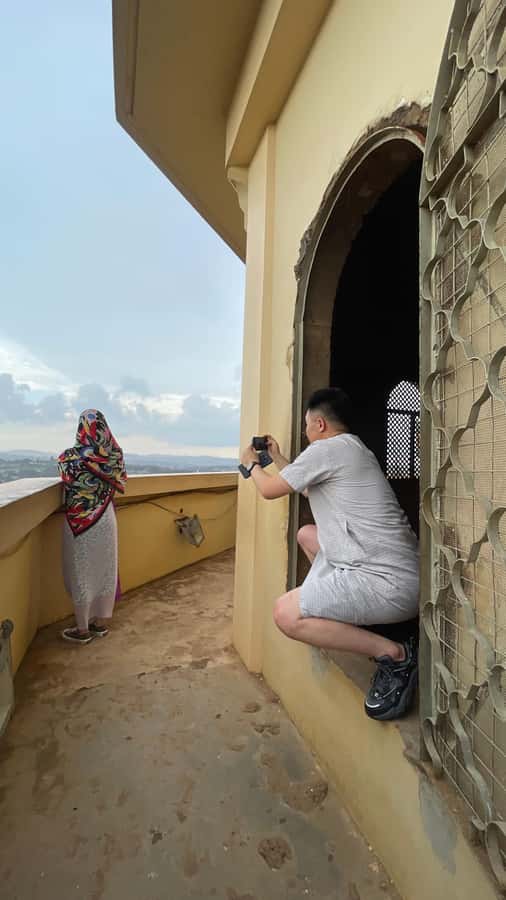
The next walk takes about 10 minutes, followed by a 15-minute visit to a place described as a hidden gem. Since the exact name is not provided, you should ask the guide what this stop will be on the day of your tour.
That uncertainty is not necessarily a problem. It may allow the guide to choose a place that fits the group or reflects current conditions. But if you are booking because of a particular landmark, this is one part of the plan that is not specific enough to count on.
Use this stop to ask about the neighborhood and how it connects to the wider city. The value here is likely to come from your guide’s explanation rather than from a long visit or a major attraction.
Same country, a completely different kind of safari:
- 3 Hours Guided Cycling Tour Across Lake Victoria
★ 5.0 · 151 reviews - 3 Days gorilla trekking Safari tour in Uganda
★ 5.0 · 121 reviews - Lake Victoria Island Cycling Tour from Kampala
★ 5.0 · 120 reviews - Steve Kampala Walking tours (Airpals Safaris tour)
★ 5.0 · 89 reviews
Bagala Craft Market and the first chance to shop
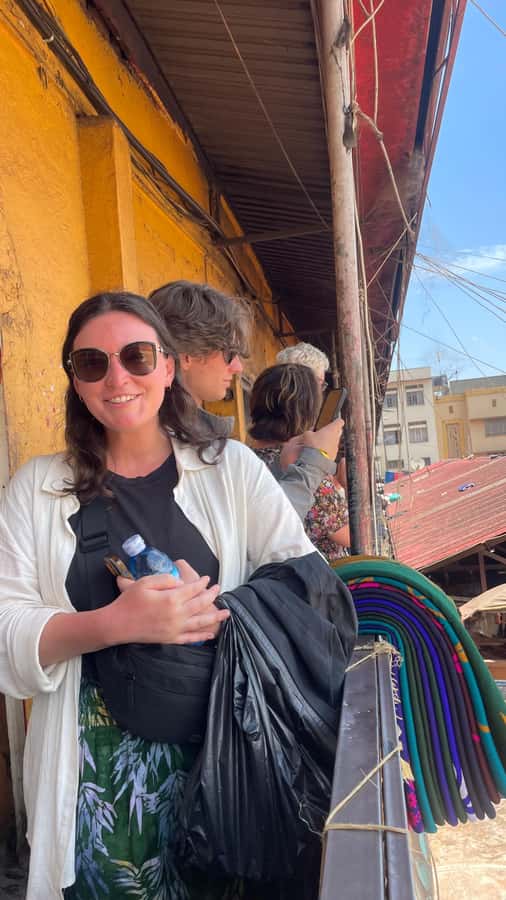
Five minutes later, you reach Bagala Craft Market for about 30 minutes. This is the first substantial shopping stop and a good place to browse local crafts without waiting until the end of the walk.
You may find that half an hour feels short if you want to compare items, ask questions, and negotiate. If shopping is your main goal, say so early. The tour is meant to adapt to your preferences, but the group may need to keep moving to cover the rest of the route.
A market stop also shows you how commerce works in everyday Kampala. You are not simply looking at souvenirs. You are walking through a place where sellers, buyers, and local businesses meet. Be respectful when taking photographs, and ask before photographing people or their goods.
Nakasero Market: food, shopping, and daily trade
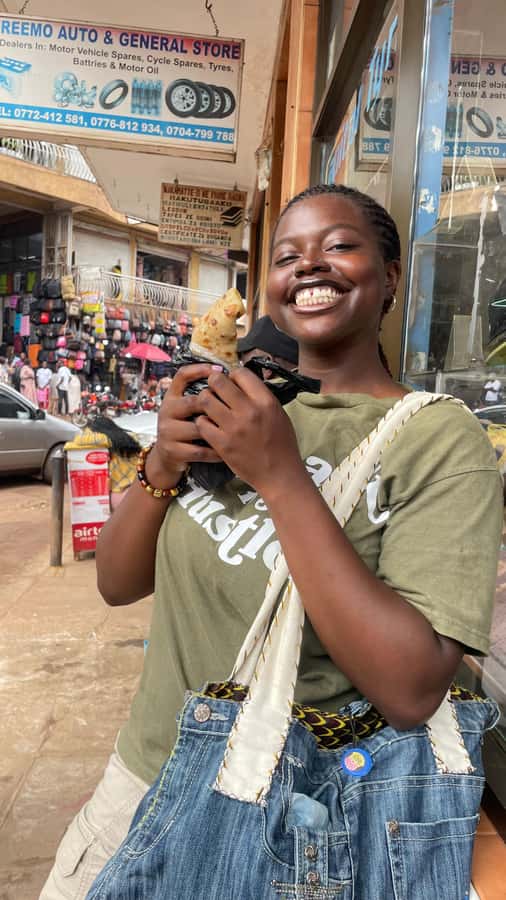
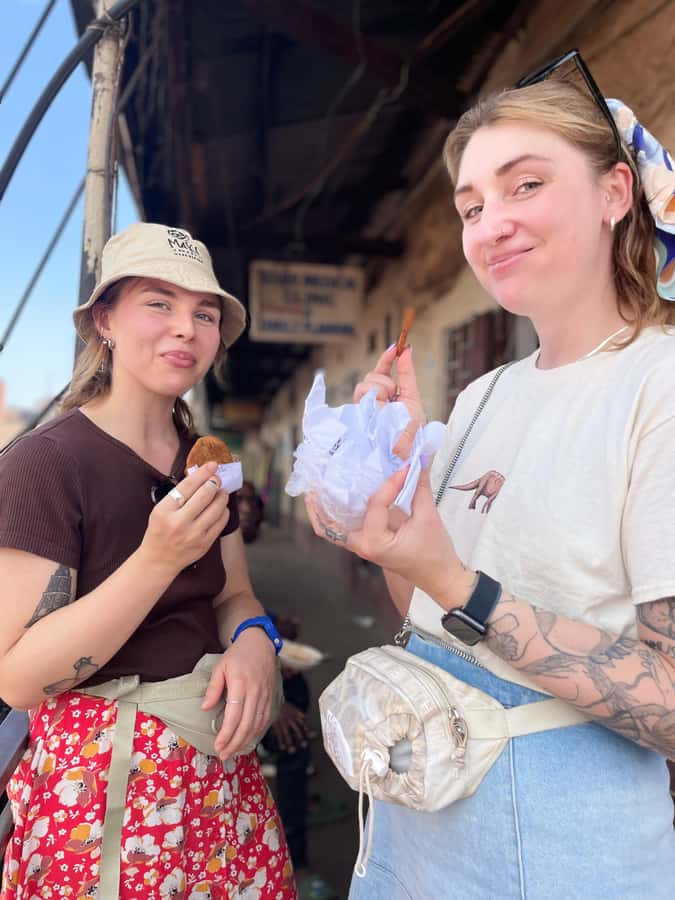
The 10-minute walk to Nakasero Market leads to a 20-minute visit that combines a guided walk, shopping, food tasting, and a look at the food market. This is one of the clearest chances to connect the tour’s cultural focus with ordinary daily life.
A food market can tell you a great deal in a short time. What is sold, how it is displayed, and how people shop all add context to Kampala’s neighborhoods. Your guide can explain unfamiliar foods and help you understand what you are seeing instead of leaving you to guess.
Twenty minutes is enough for an introduction, but not for a relaxed market meal. You may need to choose between tasting something, shopping, and listening to the guide. If you have dietary concerns, ask what food tasting involves before trying anything.
This stop also shows why a local guide is useful. You can ask what is commonly eaten, what is seasonal, and which items are used at home. The experience does not promise a cooking class or a full meal, so think of it as a short introduction rather than a food tour on its own.
SSDM Temple and Kampala’s religious mix
A five-minute walk brings you to SSDM Temple for a 10-minute guided sightseeing stop. This adds a religious and architectural note to a route otherwise centered on public spaces and markets.
The visit is brief, but it helps show that Kampala’s identity is not limited to one tradition or one type of neighborhood. Ask the guide about the temple’s role and the local community connected with it. Dress appropriately, as the tour specifically advises suitable clothing.
The temple stop may appeal to you if you enjoy seeing how religious buildings fit into urban life. If you want an extended architectural visit, the 10-minute schedule may feel too tight.
Old Taxi Park and the city in motion
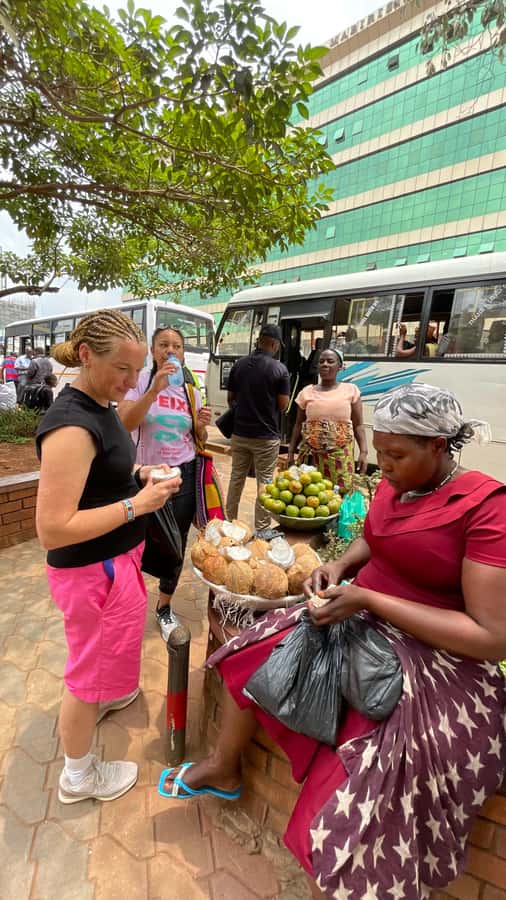
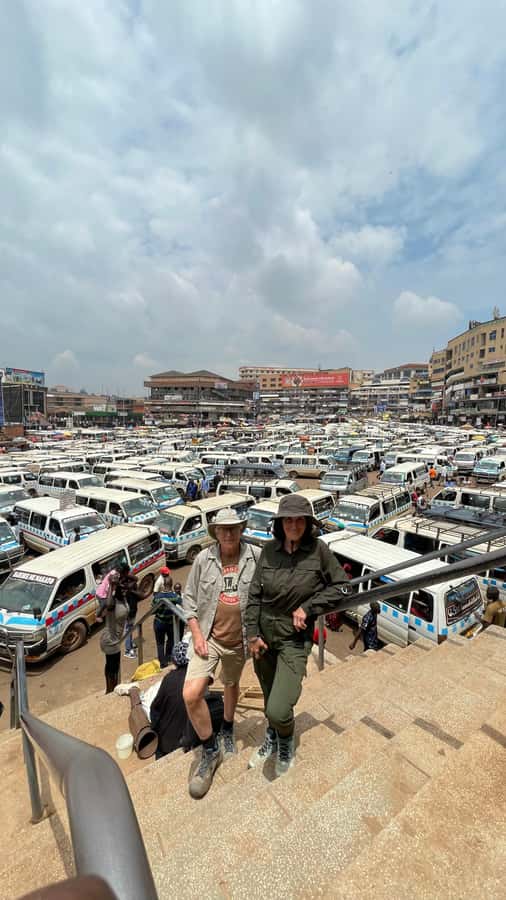
Five minutes later, you reach Kampala Old Taxi Park for a 10-minute visit and photo stop. This is a chance to see one of the city’s key transport spaces and understand how people move around Kampala.
The stop is more about observation than sightseeing in the traditional sense. You will see the practical side of urban life, where taxis and pedestrians share a crowded setting. A photo can capture the energy of the place, but stay alert and follow your guide closely.
This is also where the physical demands of the walk become clearer. Kampala’s streets are active and sometimes hard to cross. One account described the road crossings as stressful because of traffic, bodas, and people. Comfortable shoes help, but patience and attention matter just as much.
Owino Market, the longest and most demanding stop
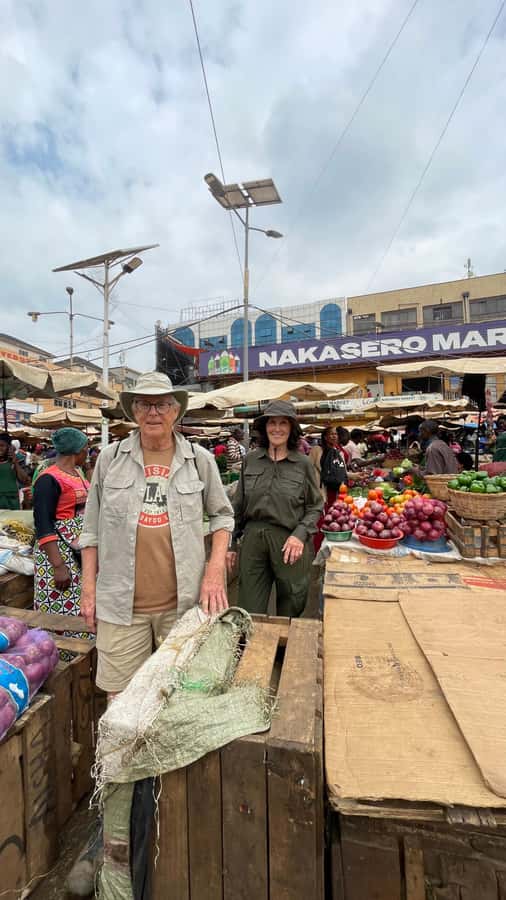
The final major stop is Owino Market, reached after another 10-minute walk. The planned visit lasts 35 minutes and includes guided sightseeing, shopping, food-market viewing, regional food, and an aerial view.
This is the route’s biggest block of time, and for good reason. Owino Market brings together many of the themes introduced earlier: trade, food, local work, household goods, and the practical rhythm of a large city market. You will have more time here than at Nakasero, but 35 minutes can still pass quickly.
The market may be the part of the tour you remember most, but it is also the place where you need to be most focused. Stay with the guide, keep your valuables secure, and do not expect a quiet stroll. The walk can move quickly through crowded areas, especially if the guide is trying to cover several sections.
The regional food element gives the stop extra interest. Ask what you are looking at and how it is used. If you want to buy food or household items, let the guide know. A guide can help you understand prices and customs, but do not assume every purchase is included in the tour fee.
The listing also mentions an aerial view. The exact location and length of that view are not specified, so treat it as an added feature rather than the main reason to book.
The optional Uganda National Mosque visit
An optional visit to Uganda National Mosque may be available. It is not included among the timed stops above, so ask before booking how it fits into the three-hour plan and whether adding it changes the market time.
The mosque could be a good choice if religious history and architecture matter more to you than shopping. It may not be the best choice if you already know you want a full market-focused walk. Since the route can be tailored, be clear about your priorities.
Dress appropriately for any religious visit. The tour’s clothing advice is especially important here.
What the $25 price really covers
At $25 per person, the tour offers a lot of contact with the city for a modest price. You receive a three-hour English-language guided walk, entrance fees, local interpretation, market visits, and the chance to support a local woman financially.
The strongest value is not the number of sights. It is having someone help you read the city. A guide can connect the Independence Monument to present-day life, explain what you see in the markets, and help you move through places that might otherwise feel difficult to approach.
The price does not cover shopping, and food purchases are not stated as included. You should bring extra money if you want crafts, food, or household items. The tour also does not replace private transport around Kampala, although Fatumah helped one visitor arrange a boda boda at the end.
The tour has a 3.7 rating from three recorded bookings, so I would treat it as a promising but not fully predictable experience. Two guests gave it five stars, praising the guides’ kindness, local insight, market help, and sense of care. One person reported a serious 40-minute delay with no communication and found the pace too fast. That means you should confirm the meeting details and arrive with realistic expectations.
Who will get the most from this walk
I would choose this tour if you want a first look at Kampala that mixes history, food, shopping, and ordinary city life. It suits solo women and women traveling together who may feel more comfortable with a female guide in crowded markets.
It also works well if you enjoy asking questions and adapting as you go. The strongest moments are likely to come from conversation, not from polished attractions. If you want a fixed sightseeing route with long explanations at each monument, this may feel rushed.
The tour is not suitable for wheelchair users. It also demands reasonable walking ability and comfort in crowded streets. Bring sturdy, comfortable shoes, water, sunscreen, and a hat. Smoking is not allowed during the activity.
Should you book the Kampala female-guided walk?
Book it if you want local context and market access more than a slow monument tour. The guide’s perspective, the chance to support local women, and the route through Nakasero and Owino markets give the experience a clear purpose.
I would be cautious if you dislike busy streets, frequent road crossings, or a quick pace. Confirm the start time and communication arrangements before the day, and tell your guide exactly what you want to see. If markets, local food, and women’s experiences in Kampala interest you, $25 is fair value. If you want calm sightseeing, choose a less crowded walking route instead.
FAQ
Where does the tour start?
The tour starts at Cariboo Restaurant on Speke Road, opposite the post office.
How long does the walking tour last?
The tour lasts three hours, including walking time and visits to the scheduled stops.
What language does the guide speak?
The live guide speaks English.
Is the Uganda National Mosque included?
An optional visit to Uganda National Mosque is mentioned, but it is not listed among the timed stops. Ask how it fits into your planned route.
Are entrance fees included?
Yes, all entrance fees are included.
What should I bring?
Bring comfortable shoes, a hat, sunscreen, and water. You should also dress appropriately.
Is the tour suitable for wheelchair users?
No. The activity is not suitable for wheelchair users.
Just added around Kampala
- Uganda Equator Tour From Kampala To Kayabwe★ 5.0 · 4 reviews
- Uganda: 1-Day Murchison Falls Park Safari with Boat cruise★ 5.0 · 3 reviews
- 3-Day Mind Refreshing in Murchison Falls National Park★ 5.0 · 4 reviews
- Entebbe kampala airport transfers★ 5.0 · 3 reviews
- 3 Days Uganda Gorilla trek Safari Tour★ 5.0 · 4 reviews
- Weekend Package B★ 5.0 · 7 reviews
- Uganda 4 days Gorilla Trekking★ 5.0 · 3 reviews
- 15 Day Gorillas, Chimps and Big 5 Safari Tour★ 5.0 · 5 reviews
Walking Tours, compared.

Kampala Walking Tour (3 Hours) with Optional Gaddafi Mosque Visit
Read the review →
Entebbe Walking Tour (3 Hours) with Zoo and Botanical Gardens Options
Read the review →Browse the lists this tour appears in