
Reviewed · KAMPALA CITY WALKING TOURS
Inside Kampala walking tour (Female guided)
Kampala reveals itself best on foot, one crowded market lane, roadside snack, monument, and place of worship at a time. This female-guided walking tour gives you a local escort through central Kampala, with Fridaus and Fatima among the named guides, and covers far more ground than a quick sightseeing drive.
I like the mix of street food and city history, especially the chance to taste in-season fruit and a Rolex while learning what you are seeing. I also like the small-group limit of 10, which should make it easier to ask questions and adjust the pace. The main consideration is the city itself: crowds, traffic, market noise, and narrow lanes are part of the experience, not an occasional interruption.
In This Review
- Key points
- A useful first look at Kampala
- From Cariboo Restaurant to Kampala’s monuments
- Bagala Craft Market and Kampala’s fabric shops
- Nakasero Market and the taste of Kampala
- SSDM Temple and Kampala’s religious mix
- The Old Taxi Park, where Kampala gets moving
- Owino Market, the most demanding stop
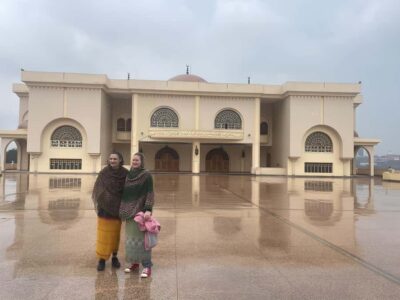
- Gaddafi National Mosque and the optional final stop
- What the $35 price really buys you
- Timing, group size, and the physical feel
- The female-guided advantage
- Who should book this Kampala walk?
- Should you book it?
- FAQ
- Where does the Kampala walking tour start?
- How long does the tour last?
- What language is the tour conducted in?
- How many people are in the group?
- Which guides may lead the tour?
- Is Gaddafi National Mosque included in the tour price?
- Which market areas are visited?
- Is food included in the experience?
- Can I cancel or pay later?
Key points
- Four hours on foot: A compact introduction to central Kampala, beginning at Cariboo Restaurant.
- Female local guiding: Guides including Fridaus and Fatima explain the city in English and help you move through busy areas.
- Markets with a purpose: Nakasero, Owino, Bagala Craft Market, fabric shops, and the Old Taxi Park show daily city life.
- Food built into the route: Expect in-season fruit and Kampala’s famous Rolex, a chapati wrapped around eggs.
- Several faiths and monuments: The route includes Hindu worship, national monuments, and optional Gaddafi National Mosque.
- Good first-day choice: The tour helps you get your bearings before exploring Kampala independently.
A useful first look at Kampala

This is not a polished monument-to-monument stroll. It is a street-level introduction to Kampala, where a national monument can be followed by a noisy taxi park and a market filled with produce, fabric, and people going about their day.
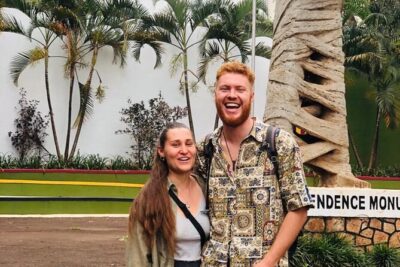
The route starts at Cariboo Restaurant and moves through central Kampala. You will see the Independence Monument, Sir Edward Muteesa II’s monument, and the World War I and II monument. These stops give the walk a historical backbone, while the markets provide the city’s daily pulse.
The guide is the key to making sense of the contrasts. Fridaus is praised for lively explanations, local connections, help with photographs, and a calm presence in busy areas. Fatima is also named as an English-speaking guide who keeps the tour punctual, explains things clearly, and helps you feel more at ease.
You should not expect a quiet walk. Kampala can be crowded and chaotic, particularly around Owino Market and the Old Taxi Park. If you enjoy observing street life and want a direct look at how the city works, this is a strength. If you prefer wide pavements and an unhurried sightseeing pace, it may feel intense.
More kampala city walking tours in Kampala:
- Kampala Walking City Tours (Women Guided)
★ 5.0 · 115 reviews - Kampala Walking Tour (3 Hours) with Optional Gaddafi Mosque Visit
★ 5.0 · 112 reviews - Steve Kampala Walking tours (Airpals Safaris tour)
★ 5.0 · 89 reviews
From Cariboo Restaurant to Kampala’s monuments
Cariboo Restaurant is the meeting point. From there, the tour heads toward several important monuments, including the Independence Monument, Sir Edward Muteesa II’s monument, and the World War I and II monument.
The Independence Monument is included with admission, as are the Muteesa II and World War I and II monuments. That matters because the stops are not treated as quick photo pauses. Your guide provides a guided visit and connects each place to Uganda’s past and Kampala’s development.
I would pay close attention during this early part of the walk. It gives you useful context before the market visits, and the explanations can help turn otherwise unfamiliar names and statues into a clearer picture of Uganda.
There is also a stop described as a hidden gem. The available details do not specify exactly what this location is, so you should treat it as an additional surprise rather than a guaranteed major sight. That approach is sensible in Kampala, where a small corner, building, or local story may be more revealing than a famous landmark.
Bagala Craft Market and Kampala’s fabric shops
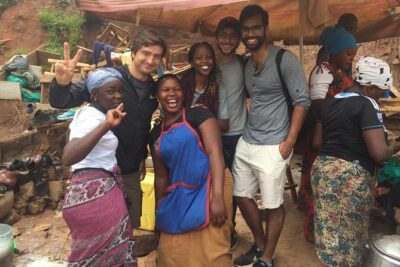
Bagala Craft Market is included on the route, with time for shopping and a pass through the market area. You can look for souvenirs here, while the guide helps you understand the difference between browsing and buying.
African fabric shops are also part of the experience. This is useful if you want a practical souvenir rather than a small trinket. Fabric can be easier to pack than bulky craftwork, though your final choice depends on what is available when you visit.
A local guide can also help you avoid wandering into the wrong shop or spending your whole tour bargaining. Fridaus is specifically praised for taking a shopper to good stores with quality products and for helping with bargains. That does not mean every price will be reduced, but it gives you a better chance of shopping with confidence.
Keep your expectations realistic. This is a walking tour with shopping stops, not a dedicated craft workshop or a full market shopping expedition. You will have time to look around, but four hours must also cover monuments, food, religious sites, and several markets.
Nakasero Market and the taste of Kampala
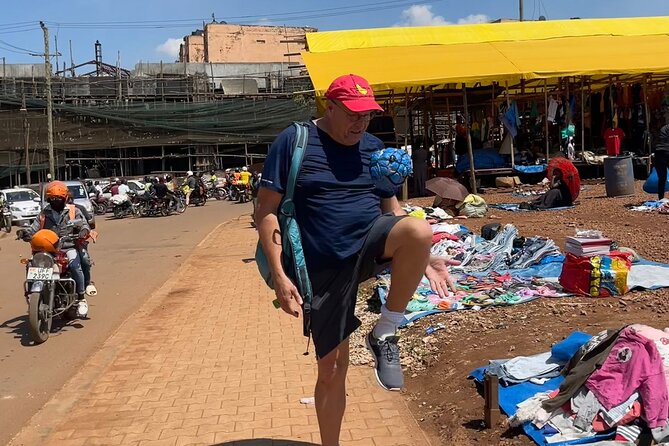
Nakasero Market is one of the most appealing stops for anyone interested in food. You will walk among stalls with fresh produce and taste fruit that is in season. The exact fruit depends on the time of year, so the experience changes with the market.
This is one of the tour’s strongest ideas. Food gives you a direct connection to place, and a market visit lets you see what people buy for everyday meals. It also breaks up the history and sightseeing with something simple and sensory.
The tour also includes a taste of the famous Kampala Rolex. In Uganda, a Rolex is a chapati wrapped around eggs, rather than a watch. It is a practical street-food meal and a fitting choice for a walking route through the city.
The food element is described as part of the experience, but the formal inclusions list does not separately specify food costs. If you need to track every expense, ask the provider before booking what is covered in the $35 price and what you should pay directly.
Nakasero is also a good place to ask questions. You can learn about ingredients, local eating habits, and the role markets play in city life. The guide’s explanations are more valuable here than a simple list of what each stall sells.
A few more Kampala trips to weigh up
- Kampala’s Best Experience walking tour
★ 5.0 · 137 reviews - Kampala: City Guided walking sightseeing Tour
★ 4.7 · 52 reviews - Inside Kampala Walking Tour (Female Guided)
★ 5.0 · 52 reviews - Kampala Heart of Walking Adventure
★ 5.0 · 43 reviews
SSDM Temple and Kampala’s religious mix
The tour visits SSDM Temple in Nakasero, identified in the details as a Hindu temple. Admission is included, and the guide provides a visit with explanation.
This stop adds an important layer to the walk. Kampala is not presented only through government buildings, markets, and traffic. You also see how religious spaces fit into the city’s central districts.
You should follow the guide’s instructions about dress, behavior, and photography. The supplied information does not set out a formal dress code or photography policy, so ask before taking pictures inside or near worship areas.
The religious stops also make this route more varied than a standard market walk. You move from public monuments to food stalls and then into a place with its own traditions and rhythms.
The Old Taxi Park, where Kampala gets moving
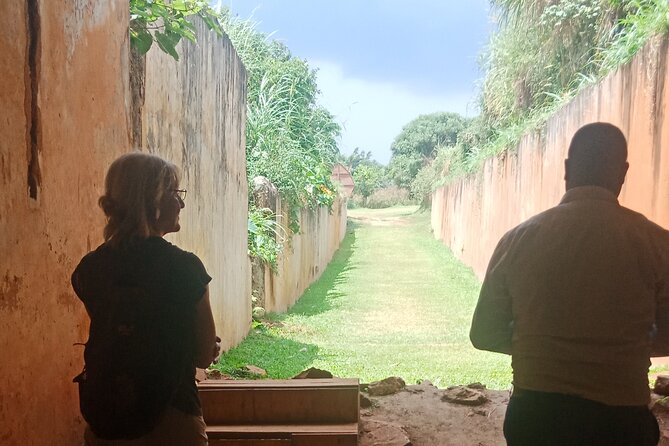
The Old Taxi Park is included, with admission covered. This is one of the route’s most practical stops because it shows how people move around Kampala.
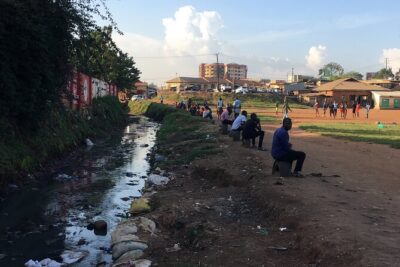
Expect a busy transport setting rather than a scenic attraction. Taxis, pedestrians, noise, and constant movement are part of what makes the place useful to see. A guide matters here because the scene can be confusing if you do not know what you are looking at or where to stand.
One guide described this stop as fun, and that makes sense if you enjoy watching a city operate at close range. You will not be looking at a preserved historic site. You will be seeing a working part of Kampala.
This is also where the tour’s safety value becomes clear. Several experiences with Fridaus and Fatima praise the guides for helping people feel secure. A solo visitor, especially someone unfamiliar with large African cities, may find the confidence of moving with a local particularly worthwhile.
Owino Market, the most demanding stop
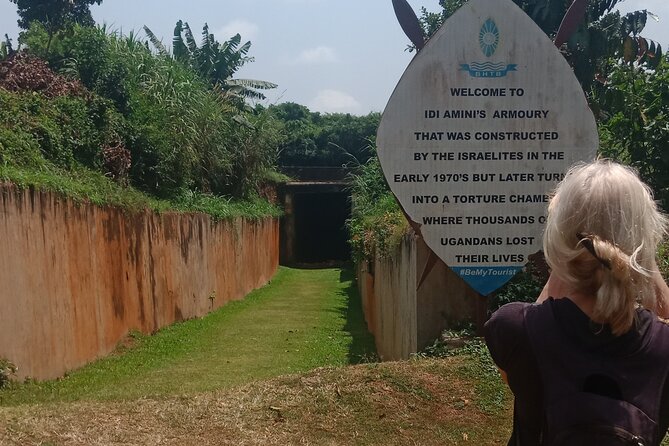
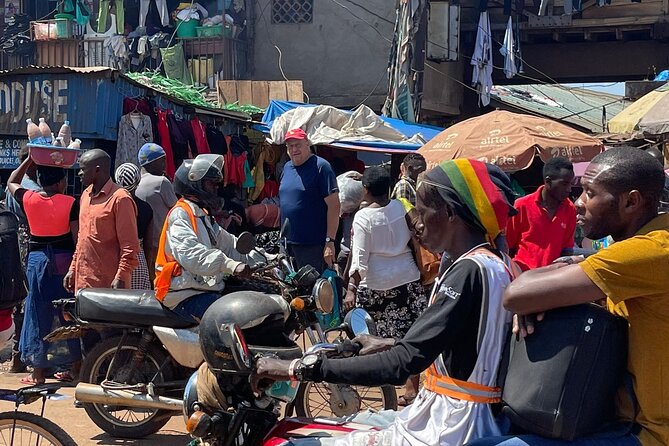
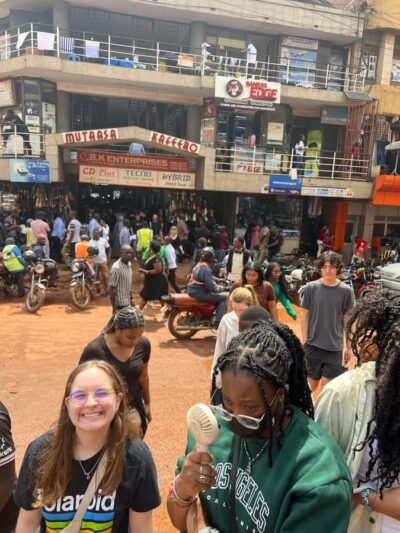
Owino Market is likely to be the most intense part of the tour. It is a major market stop with a guided visit, and it brings you into one of central Kampala’s busiest public spaces.
You should be comfortable with crowds before booking. One useful tip is simple: go only if you are happy in crowded places. The reward is a closer view of ordinary commerce, but the trade-off is noise, congestion, and a less controlled walking environment.
Keep your belongings secure and follow the guide closely. The tour information does not promise a private route through the market or a quiet visit. Its value comes from seeing the place with someone who knows how to move through it.
Owino is also where a four-hour schedule can feel full. The guide may need to balance shopping, explanations, food, and the later mosque visit. Fridaus is praised for knowing when to give a stop more time and when to move on, which is exactly the judgment you want in a packed market.
Gaddafi National Mosque and the optional final stop
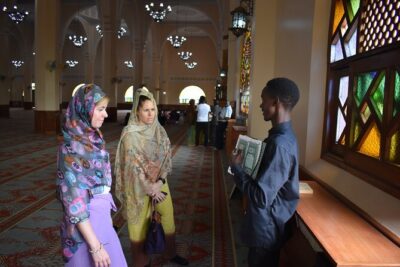
Gaddafi National Mosque is included in the route as an optional guided visit, but its admission fee is not included in the tour price. You should budget separately if you want to enter.
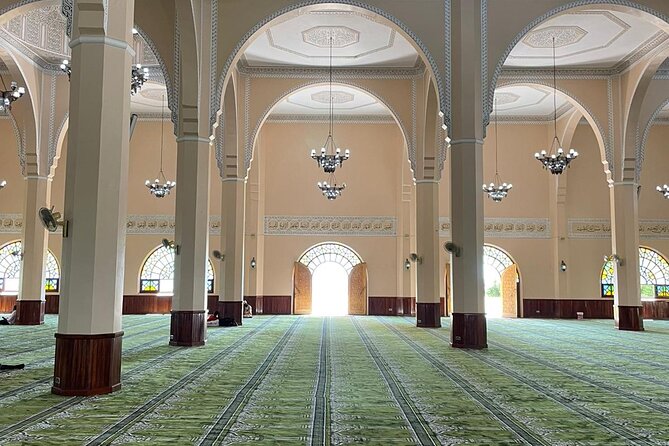
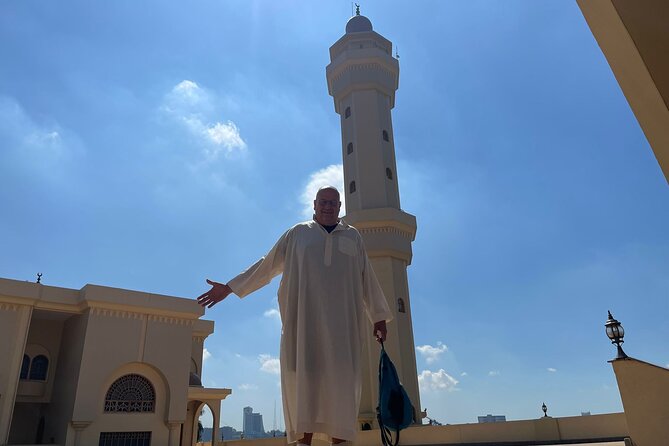
This is the stop I would try hardest to include. It adds a major architectural and religious setting to a route that already covers monuments, markets, a Hindu temple, and street food. The experience can be especially rewarding if you enjoy city views and places of worship.
One participant specifically highlighted the mosque and the climb up the minaret. The supplied details do not guarantee that every departure includes the minaret climb, so ask the guide on the day. The mosque visit itself is optional, and the extra admission cost is the only stated exclusion.
As with the Hindu temple, dress and photography rules should be handled respectfully. Ask your guide what is appropriate before entering.
What the $35 price really buys you
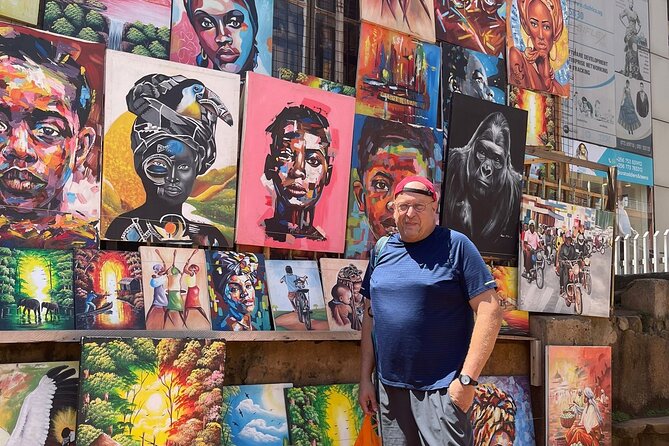
At $35 per person, this is not simply payment for a four-hour walk. You are paying for a local guide, access to several listed sites, market navigation, historical explanation, and help with the practical details of moving through central Kampala.
The included admissions cover:
- Independence Monument
- Sir Edward Muteesa II’s monument
- World War I and II monument
- Bagala Craft Market
- Nakasero Market
- SSDM Temple
- Old Taxi Park
- African fabric shops
- Owino Market
Gaddafi National Mosque is not included. Food is described as part of the walk, with fruit and Rolex tasting, but it is not separately itemized in the admission list, so confirm the arrangement if that affects your budget.
The price looks strongest for a first visit or a solo visit. You get a broad sample of Kampala in one morning or afternoon, rather than paying separate entrance fees and trying to arrange a guide for each place.
The value is less clear if you want a slow, specialist tour of one subject. A dedicated food tour would likely spend more time eating, while a history tour might linger longer at the monuments. This experience chooses variety over depth.
Timing, group size, and the physical feel
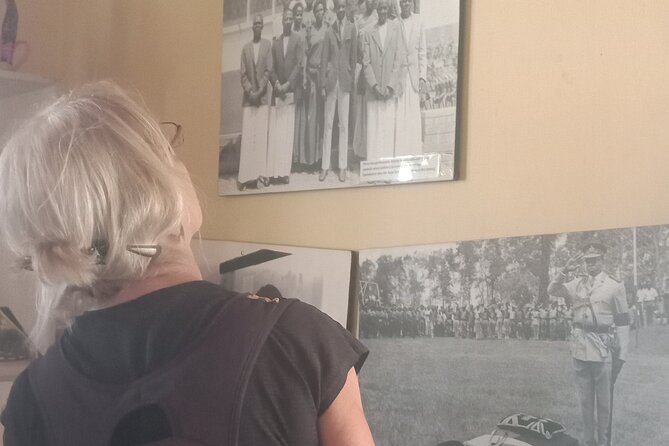
The tour lasts four hours and is limited to 10 participants. That is small enough for questions and personal attention, while still allowing the provider to run a shared experience.
The itinerary includes markets, monuments, religious sites, and transport areas, so you should expect continuous walking with stops along the way. The available information does not give a total distance, terrain details, or a fixed start time. Check the available departure times and ask the provider if you have concerns about the pace.
Traffic can affect arrival at Cariboo Restaurant. One guide was praised for handling a late arrival caused by traffic, but you should still plan to arrive on time. A punctual start gives you more room at the markets and mosque.
The tour is conducted in English. If you want to ask detailed questions about Uganda, Kampala, geography, food, or local customs, an English-speaking guide makes the walk more useful than a simple escorted route.
The female-guided advantage
The female-led format is more than a label. It can shape how the tour feels, particularly for solo women or anyone who wants a guide who pays close attention to comfort and confidence in crowded areas.
Fridaus is repeatedly described as friendly, funny, caring, and strong on history and geography. She is also described as known by people along the route, which can make the city feel less anonymous. Fatima is praised for punctuality, clear explanations, and helping a participant feel safer.
The exact guide may vary. The experience details name Fridaus and Fatima, but they do not promise that one particular person will lead every departure. If meeting a specific guide matters to you, confirm that before booking.
I would especially recommend this format to solo women, first-time visitors, and anyone uneasy about entering major markets alone. It does not remove the noise or crowds, but it gives you a trusted local point of reference.
Who should book this Kampala walk?
You are a good match if you want a broad first look at the city and prefer people, food, and daily activity over a short list of formal sights.
Book it if you want:
- A practical orientation to central Kampala
- Local explanations in English
- A small group rather than a large coach
- Market visits with guidance
- Street-food tasting
- Several religious and historical stops
- Help shopping for fabric or souvenirs
- A female-led experience
- Support as a solo visitor
Think twice if you dislike crowds, want a quiet walk, or need a highly fixed schedule. The route includes chaotic market areas, and the city’s energy is part of the deal.
The booking terms are flexible: you can cancel up to 24 hours before the tour for a full refund, and you can reserve now and pay later. Those terms are useful if your Kampala plans may change.
Should you book it?
I would book this tour early in a Kampala stay, especially if you are visiting the city for the first time. Four hours with a local guide can help you understand the center, identify places worth returning to, and feel more confident using markets and public areas afterward.
The best reasons to choose it are the mix of experiences and the care of the female guides, especially Fridaus and Fatima. The main warning is equally clear: Kampala is noisy, crowded, and fast-moving, and Owino Market and the Old Taxi Park will not suit everyone.
If you want a real introduction rather than a polished sightseeing loop, the $35 price is fair. Add Gaddafi National Mosque if you can, ask about the minaret climb, and arrive ready for fruit, chapati, eggs, fabric, monuments, worship, and a city that refuses to sit still.
FAQ
Where does the Kampala walking tour start?
The tour starts at Cariboo Restaurant.
How long does the tour last?
The walking tour lasts four hours.
What language is the tour conducted in?
The live tour guide speaks English.
How many people are in the group?
The tour is a small-group experience limited to 10 participants.
Which guides may lead the tour?
The named guides include Fridaus and Fatima. The assigned guide may vary by departure.
Is Gaddafi National Mosque included in the tour price?
The mosque visit is optional, and its admission fee is not included.
Which market areas are visited?
The route includes Bagala Craft Market, Nakasero Market, African fabric shops, and Owino Market. It also visits the Old Taxi Park.
Is food included in the experience?
The tour description includes tasting in-season fruit and a Kampala Rolex. The formal inclusions do not separately list food costs, so confirm the payment details with the provider.
Can I cancel or pay later?
You can cancel up to 24 hours in advance for a full refund. You can also reserve your place and pay later.
Just added around Kampala
- Uganda Equator Tour From Kampala To Kayabwe★ 5.0 · 4 reviews
- Uganda: 1-Day Murchison Falls Park Safari with Boat cruise★ 5.0 · 3 reviews
- 3-Day Mind Refreshing in Murchison Falls National Park★ 5.0 · 4 reviews
- Entebbe kampala airport transfers★ 5.0 · 3 reviews
- 3 Days Uganda Gorilla trek Safari Tour★ 5.0 · 4 reviews
- Weekend Package B★ 5.0 · 7 reviews
- Uganda 4 days Gorilla Trekking★ 5.0 · 3 reviews
- 15 Day Gorillas, Chimps and Big 5 Safari Tour★ 5.0 · 5 reviews
Kampala City Walking Tours, compared.
Kampala Walking Tour (3 Hours) with Optional Gaddafi Mosque Visit
Read the review →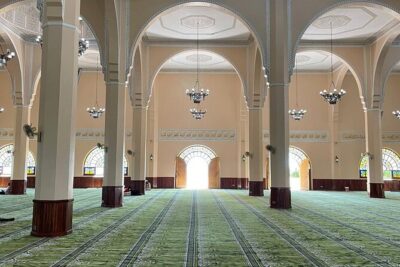
Browse the lists this tour appears in