
Reviewed · WALKING TOURS
Kampala: City Guided walking sightseeing Tour
Kampala reveals itself best at street level, where market sellers, shared taxis, monuments, cafés, and pedestrians all share the same busy stage. This three-hour walk takes you from Bagala Craft Market to Owino Market, with the Old Taxi Park providing the tour’s most intense glimpse of city life.
I like the small group size, limited to six, because it gives you room to ask questions and adjust the pace. I also like the practical local help: guides such as Abdul, Pius, Tajirl, and Cheriff explain history, help with market shopping, and show you how to handle Kampala’s busy roads.
The main consideration is physical. Kampala is hilly, the streets can be crowded, and the tour may feel shorter than three hours depending on the day and pace. It is not suitable for people with mobility impairments, and you should bring water, sun protection, and comfortable shoes.
In This Review
- Key points to know before you book
- Why this walking tour works as a first look at Kampala
- Bagala Craft Market starts the shopping conversation
- Constitutional Square and the Independence Monument
- A short café break keeps the pace comfortable
- Nakasero Market shows Kampala’s daily shopping rhythm
- Old Taxi Park delivers the tour’s biggest dose of controlled chaos
- Owino Market is the tour’s longest and most revealing stop
- The guide is the main value of the experience
- Is $22 good value for three hours?
- What to wear and carry
- Who should book this Kampala walk?
- Should you book it?
- FAQ
- Where does the Kampala walking tour start?
- How long does the tour last?
- What time can I take the tour?
- What language is the tour conducted in?
- How many people are in the group?
- What markets are included?
- Which historic monuments will I see?
- Is food included?
- Are souvenirs included in the price?
- Is pickup and drop-off included?
- What should I bring?
- Is the tour suitable for people with mobility impairments?
Key points to know before you book
- See everyday Kampala, not just formal sights: Markets and transport hubs make up much of the experience.
- The Old Taxi Park is the visual highlight: Watch shared taxis come and go in one of the city’s most hectic spaces.
- Owino Market takes 45 minutes: This is the longest stop, with food, textiles, crafts, and intense street commerce.
- Your guide shapes the experience: Ask for more history, shopping help, or time at the markets.
- The tour costs $22 per person: That is good value for a small-group orientation with admissions included.
- Plan for heat and hills: Wear trainers or walking shoes, carry Ugandan shillings, and keep water close.
Why this walking tour works as a first look at Kampala
Kampala can be difficult to read from a car window. The city is spread across hills, traffic can slow short journeys, and the most revealing places are often markets, side streets, and transport hubs rather than polished monuments.
This walk gives you a useful first orientation. You begin near Kitenji Uganda Safaris and Tours, then move through central Kampala on foot, stopping often enough for explanations and questions. The route combines national history with ordinary commerce, which is exactly the right mix if you want to understand how the capital functions.
You are not signing up for a quiet heritage stroll. You will encounter crowds, noise, uneven walking conditions, and the constant movement of city life. That is also the point. The tour lets you see Kampala as a working city rather than a collection of isolated sights.
The group limit of six matters here. In a packed market or near a taxi park, a large group would be awkward. With fewer people, you can stay close to the guide, ask about what you are seeing, and spend more time on the subjects that interest you.
A few more Kampala trips to weigh up
- Kampala’s Best Experience walking tour
★ 5.0 · 137 reviews - Kampala Walking City Tours (Women Guided)
★ 5.0 · 115 reviews - Kampala Walking Tour (3 Hours) with Optional Gaddafi Mosque Visit
★ 5.0 · 112 reviews
Bagala Craft Market starts the shopping conversation
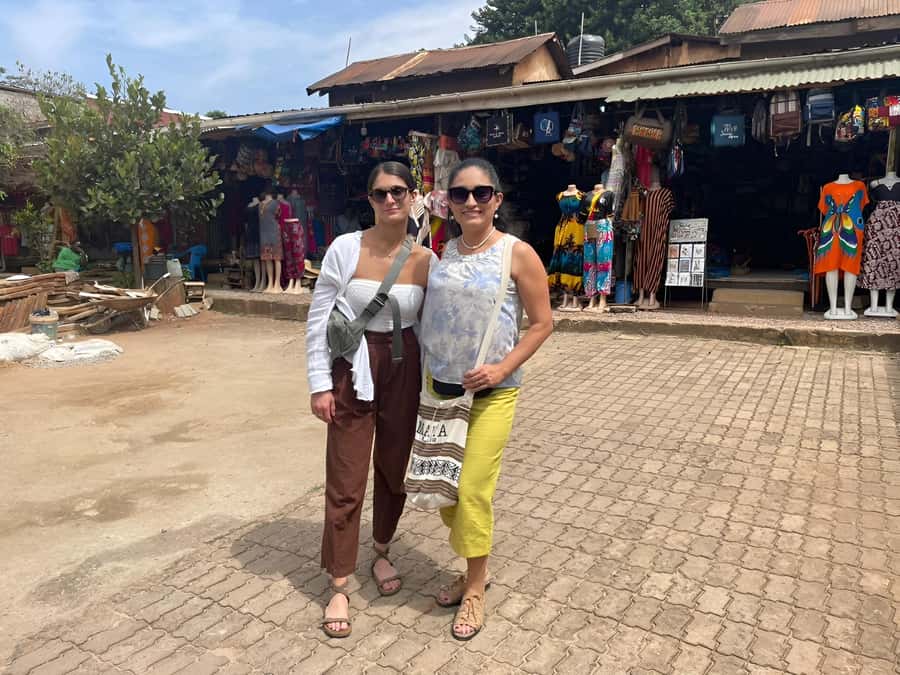
Bagala Craft Market is the gentle opening to the tour. It is a place for locally made art, jewelry, textiles, and other handicrafts, so you can begin by seeing the creative side of Kampala before moving into its louder commercial districts.
I would use this stop to learn about prices, bargaining, and what makes a useful souvenir. If you spot something you like, ask the guide for help before buying. One guide has been praised for helping with negotiation and making market shopping less stressful, which can be especially useful if you are unfamiliar with local currency or customary bargaining.
The stop lasts about 20 minutes. That is enough for an introduction and perhaps a purchase, but not enough for a long, relaxed shopping session. If crafts are a major reason for your visit, tell the guide early. The route is flexible, and the guide can respond to your interests when time allows.
Carry some Ugandan shillings. Smaller vendors may not accept cards, and souvenirs are not included in the $22 price.
Constitutional Square and the Independence Monument
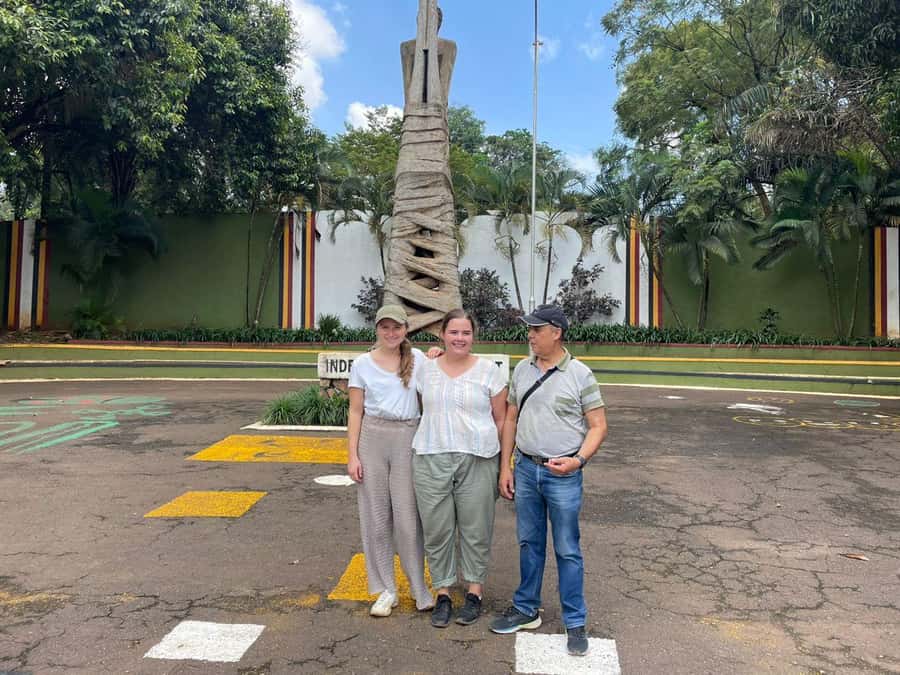
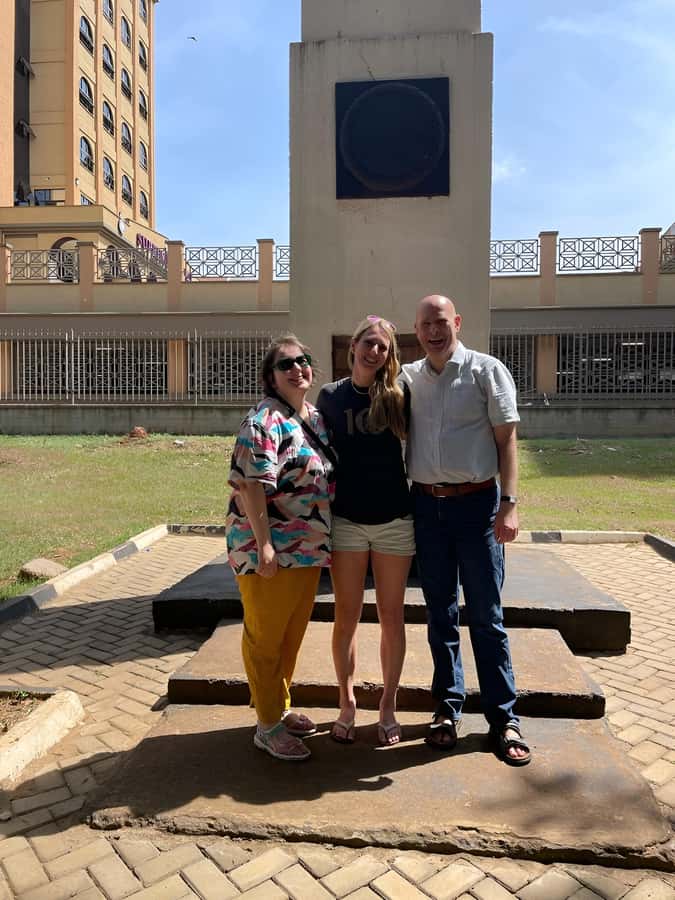
The route then shifts from commerce to public memory. Constitutional Square receives about 15 minutes, followed by roughly 20 minutes at the Independence Monument.
The Independence Monument marks Uganda’s independence from British colonial rule in 1962. Its garden setting offers a quieter pause after the market, and it gives your guide a natural place to explain Uganda’s transition from colonial rule to self-government.
Nearby, the World War Memorial recalls Ugandans who died while supporting British forces during the First and Second World Wars. The monument was built in 1945 by the British colonial government and is one of Kampala’s oldest monuments.
These stops are brief, so do not expect a long museum-style history lesson. Their value comes from the guide’s interpretation. A good guide can connect the monuments to Uganda’s national story, colonial past, politics, and present-day society. Guides such as Shalif and Cheriff have been praised for making those subjects clear and engaging, while Tajirl has been noted for explaining the story behind buildings and monuments.
Bring questions. This is one part of the tour where the small group format pays off. You can ask about the symbolism of the monument, the independence date, or how colonial-era memorials are viewed today.
A short café break keeps the pace comfortable
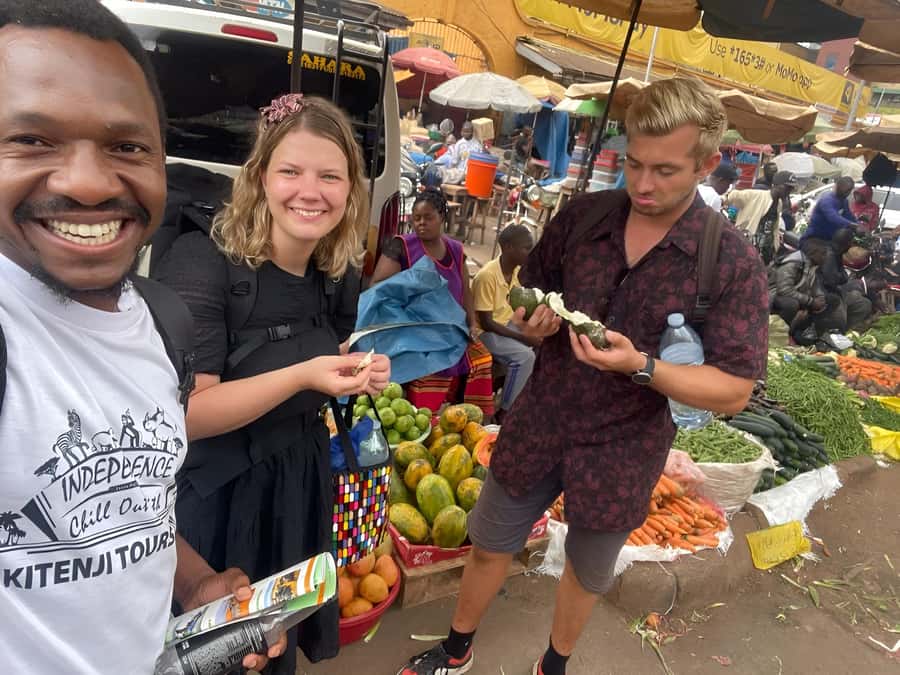
A 15-minute stop at a local café breaks up the walking. Meals and street food are not included, so treat this as a chance to buy a drink or snack at your own expense rather than a provided meal.
This pause is practical, especially in Uganda’s tropical climate. Drink water, check your shoes, and use the time to tell the guide if you want more time at markets or more explanation at the historic sites.
The tour is advertised for start times between 9 am and 7 pm, with the exact start time confirmed after booking. Your preferred time will affect the feel of the streets, but the supplied information does not promise a specific market condition or traffic level at each hour. I would choose a time that suits your energy and heat tolerance.
Same country, a completely different kind of safari:
- 3 Hours Guided Cycling Tour Across Lake Victoria
★ 5.0 · 151 reviews - 3 Days gorilla trekking Safari tour in Uganda
★ 5.0 · 121 reviews - Lake Victoria Island Cycling Tour from Kampala
★ 5.0 · 120 reviews - Steve Kampala Walking tours (Airpals Safaris tour)
★ 5.0 · 89 reviews
Nakasero Market shows Kampala’s daily shopping rhythm
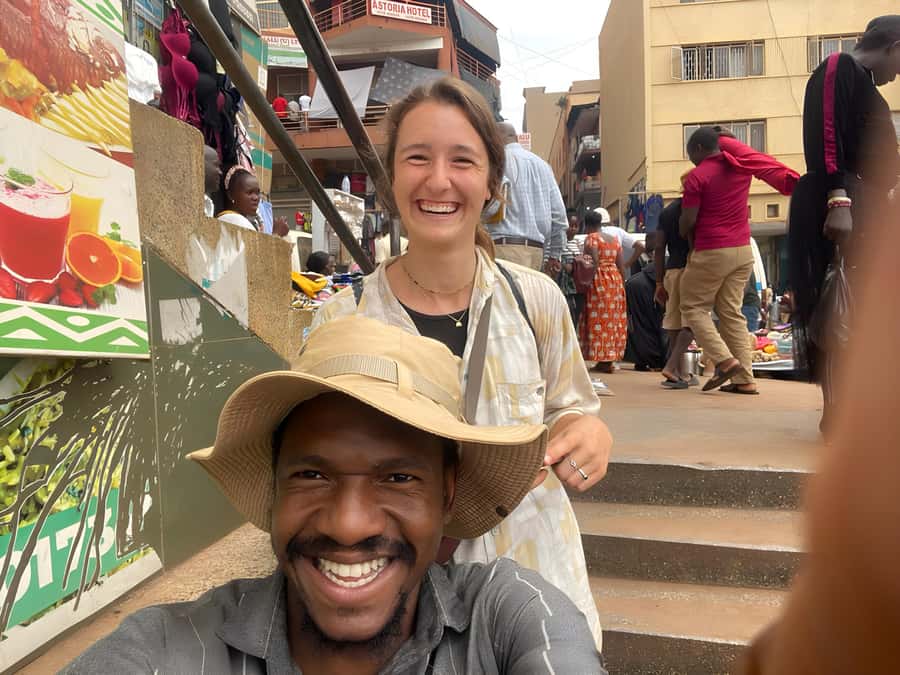
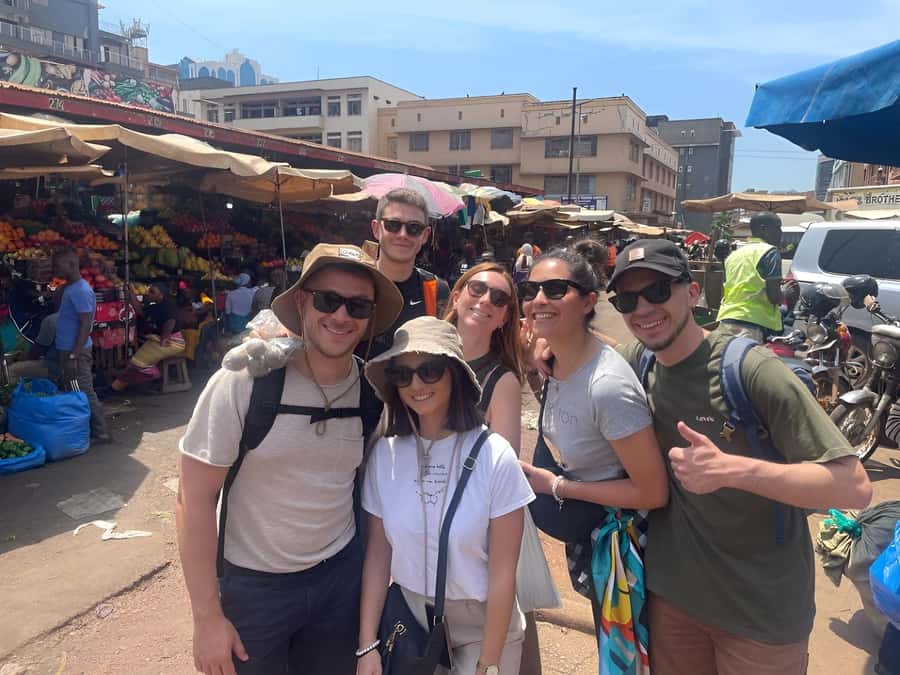
Nakasero Market receives about 25 minutes and brings you back into the practical business of city life. It is a central market for fresh produce, local spices, and fruit, with vendors selling the ingredients people use every day.
This is a good place to pay attention to color, smell, and routine. You might find produce you do not recognize, and you can ask your guide what it is, how it is prepared, or where different goods come from. The guide can also help you interact politely with vendors and explain when it is appropriate to take photographs.
The stop is more about observing daily commerce than buying a full meal. Since food purchases are not included, carry cash if you want to sample or purchase something. Do not expect a formal tasting program. This is a working market, not a staged food attraction.
I like this section because it gives context to Kampala beyond its landmarks. A monument tells you what a country remembers. A produce market shows you how a city eats, shops, and conducts business.
Old Taxi Park delivers the tour’s biggest dose of controlled chaos
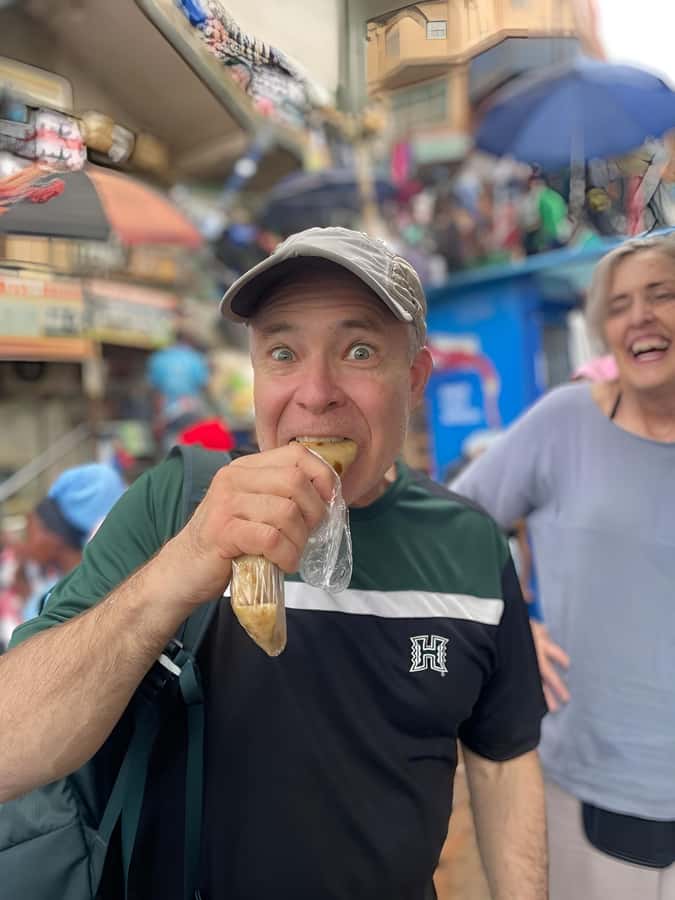
The Old Taxi Park is probably the most memorable stop for many people. It is a major public transport center where matatus, or shared taxis, arrive and depart in a constant flow.
You may find the scene noisy, crowded, and confusing at first. That is why having a local guide is useful. The guide can help you understand how the taxis fit into Kampala’s transport system and keep you positioned safely as vehicles and pedestrians move around you.
One especially useful part of this experience is learning how to cross busy roads. A guide has been praised for calmly showing visitors how to handle Kampala’s traffic, an everyday skill that is hard to learn from a map or a standard sightseeing bus.
You do not need to treat the taxi park as a photo backdrop. Watch how people move, listen to the calls, and ask the guide to explain what you are seeing. Keep your belongings secure, stay close to the group, and follow instructions around traffic.
The scheduled visit lasts about 20 minutes. That is enough to see the rhythm of the place without becoming overwhelmed. If noisy, crowded areas are difficult for you, this is the section to consider carefully before booking.
Owino Market is the tour’s longest and most revealing stop
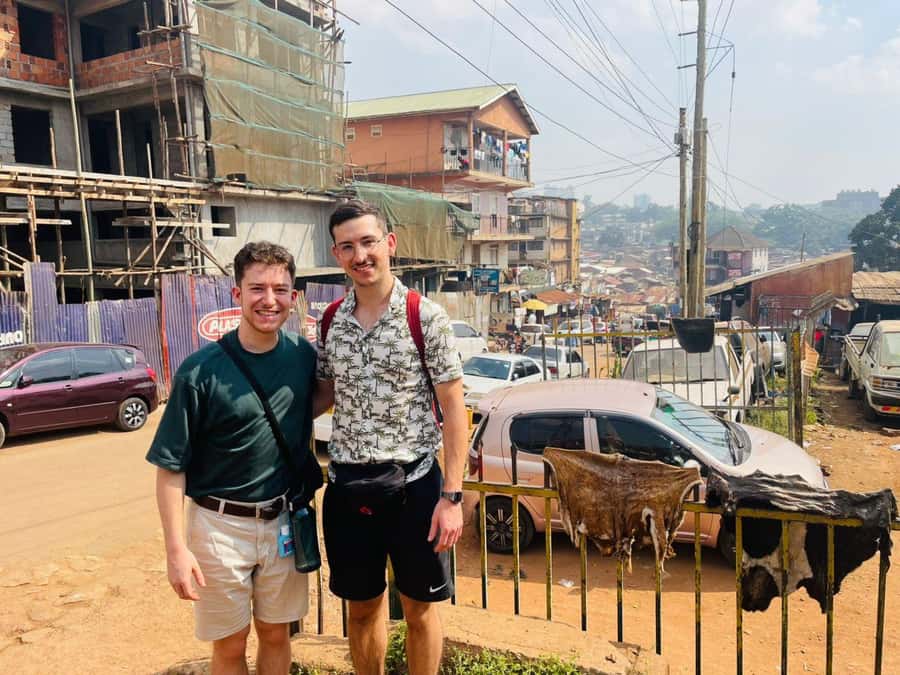
The final major stop is Owino Market, also called St. Balikuddembe Market. The visit lasts about 45 minutes, making it the longest portion of the route.
Owino is described as Uganda’s largest market, with around 50,000 traders. Its scale is hard to grasp until you are walking through its pathways. You can expect sellers offering fresh produce, textiles, traditional crafts, spices, and many other goods.
This is not a tidy, arranged shopping street. It is a working market where people buy, sell, negotiate, and socialize. The atmosphere can be crowded and sensory-heavy, with spices in the air and bright fabrics and fruit competing for your attention.
A guide makes a big difference here. You can ask where to go, how to approach a vendor, and how to negotiate without turning the exchange into an uncomfortable performance. If you want to shop, say so. If you prefer to observe, say that instead. Guides have adapted the route to personal preferences, and that flexibility is one of the tour’s strongest features.
The market may be the place where you feel most aware of the gap between an organized sightseeing plan and real city life. You will not see every corner in 45 minutes, but you will leave with a clearer sense of Kampala’s scale and commercial energy.
The guide is the main value of the experience
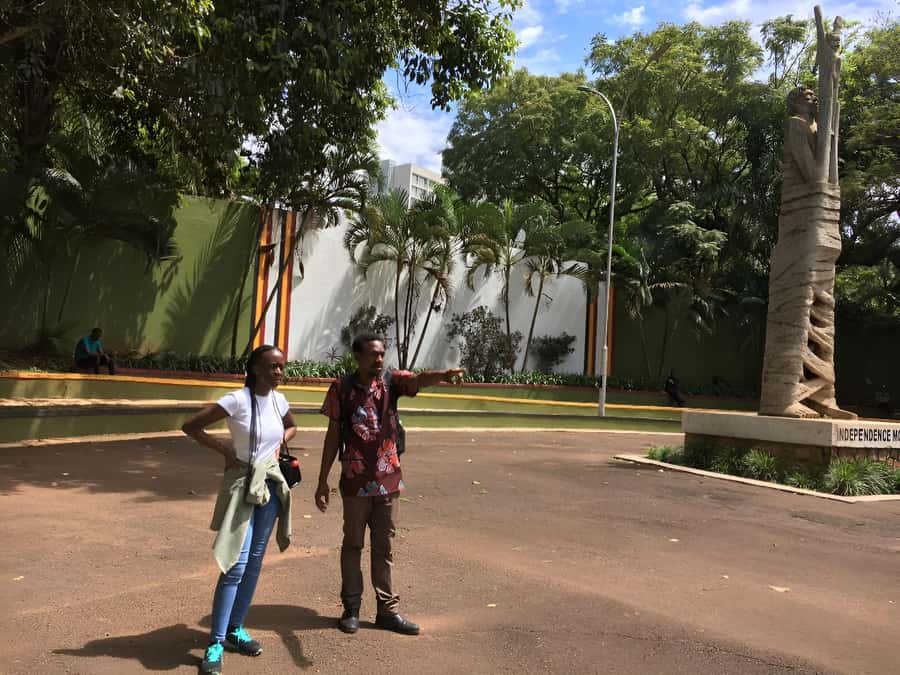
The sights are worthwhile, but the guide determines how much you take away. The tour includes a professional English-speaking guide who also speaks the local language. That combination matters in markets, where basic translation and cultural context can make interactions more natural.
Several guides are named in the feedback connected with this experience. Abdul has been praised for taking time with a solo participant and answering questions in detail. Pius is noted for good conversation and clear explanations. Tajirl and Tajree are described as careful, friendly, and attentive to safety, while Shalif and Cheriff are credited with explaining Kampala’s history, society, and daily life in an engaging way.
You should still take an active role. Ask about buildings, markets, religion, transport, politics, or ordinary life. The route can be adjusted within the available time, and a guide cannot know your interests unless you share them.
If you are alone, the small group arrangement can be especially appealing. The tour may run with only one participant, and the guide can give more individual attention. That also means the experience may feel more like a guided conversation than a fixed performance.
Is $22 good value for three hours?
At $22 per person, this is a reasonable price for a small-group introduction to central Kampala. Admissions to Owino Market, Old Taxi Park, Nakasero Market, the Independence Monument, and Bagala Craft Market are included.
The price does not include pickup or drop-off, meals, street food, or souvenirs. You need to make your own way to Kitenji Uganda Safaris and Tours, and you should budget separately for drinks, snacks, and purchases.
The real value is the local orientation. You could walk around central Kampala independently, but the taxi park and major markets are easier to understand with someone who knows the city. A guide can also help you move through crowded areas, answer questions, and reduce the stress of shopping.
I would not book this expecting a full survey of every major Kampala attraction. One useful assessment describes it as a walk through the city center that focuses on ordinary life rather than all the classic must-see sights. That is a strength if you want markets and local routines, but it means you may want a separate visit to other attractions outside this route.
What to wear and carry
Comfortable shoes are essential. Kampala is hilly, and one account specifically describes the route as a workout. Trainers are a sensible choice.
Protect yourself from the sun with a hat, sunglasses, and sunscreen. Carry a water bottle and stay hydrated, especially if you choose a warm daytime start.
Bring Ugandan shillings for market purchases, café items, and street food. Cards may not be accepted by smaller vendors. Keep your belongings secure in crowded areas and follow the guide’s advice near roads and transport vehicles.
The walk is not suitable for people with mobility impairments. If hills, uneven ground, crowded markets, or busy crossings are a concern, ask the provider about the route before booking.
Who should book this Kampala walk?
I would recommend it to first-time visitors who want a fast orientation before exploring Kampala on their own. It is also a good fit if you enjoy markets, public transport, local shopping, and conversations about history and society more than formal museums.
Solo visitors should consider it seriously. A small group, flexible pace, and the chance to ask direct questions can make a new city feel easier to navigate.
I would be more cautious if you want a quiet, polished sightseeing experience. The route is active and sometimes chaotic, and the market sections can be crowded. You also need to be comfortable walking for most of three hours.
Free cancellation up to 24 hours before the start and the reserve-now, pay-later option make the booking relatively flexible. Confirm the start time after booking, since the tour runs between 9 am and 7 pm rather than at one fixed departure time.
Should you book it?
Book this tour if you want to see Kampala through its markets, transport system, monuments, and ordinary street life. At $22, it offers solid value, especially when the group is small and the guide takes time to explain what you are seeing.
Skip it if your priority is a long list of formal landmarks, a vehicle-based tour, or an easy walk on level ground. For most active visitors spending a first day in Kampala, though, this is a useful beginning. You will learn how the city moves, where people shop, and how to approach the streets with more confidence.
FAQ
Where does the Kampala walking tour start?
The tour starts at Kitenji Uganda Safaris and Tours and returns there at the end.
How long does the tour last?
The tour lasts approximately three hours.
What time can I take the tour?
The tour is available between 9 am and 7 pm. After booking, an agent will contact you to confirm your preferred start time.
What language is the tour conducted in?
The live tour is conducted in English. The guide also speaks the local language.
How many people are in the group?
The group is limited to six participants.
What markets are included?
The route includes Bagala Craft Market, Nakasero Market, and Owino Market, also called St. Balikuddembe Market.
Which historic monuments will I see?
You will visit Constitutional Square, the Independence Monument, and the nearby World War Memorial monument.
Is food included?
No. Meals and street food are not included, although there is a 15-minute break at a local café.
Are souvenirs included in the price?
No. Souvenirs are not included, so bring Ugandan shillings if you want to buy crafts or other items.
Is pickup and drop-off included?
No. Pickup and drop-off are not included. You are responsible for reaching the starting point and leaving from the return point.
What should I bring?
Bring comfortable walking shoes, water, sun protection, and Ugandan shillings for purchases. A wide-brimmed hat, sunglasses, and sunscreen are also advisable.
Is the tour suitable for people with mobility impairments?
No. The tour is not suitable for people with mobility impairments because it involves extended walking and Kampala’s hills.
Just added around Kampala
- Uganda Equator Tour From Kampala To Kayabwe★ 5.0 · 4 reviews
- Uganda: 1-Day Murchison Falls Park Safari with Boat cruise★ 5.0 · 3 reviews
- 3-Day Mind Refreshing in Murchison Falls National Park★ 5.0 · 4 reviews
- Entebbe kampala airport transfers★ 5.0 · 3 reviews
- 3 Days Uganda Gorilla trek Safari Tour★ 5.0 · 4 reviews
- Weekend Package B★ 5.0 · 7 reviews
- Uganda 4 days Gorilla Trekking★ 5.0 · 3 reviews
- 15 Day Gorillas, Chimps and Big 5 Safari Tour★ 5.0 · 5 reviews
Walking Tours, compared.
Kampala Walking Tour (3 Hours) with Optional Gaddafi Mosque Visit
Read the review →

Entebbe Walking Tour (3 Hours) with Zoo and Botanical Gardens Options
Read the review →
Free Female Guided Walking Tours Kampala (3 Hours)
Read the review →Browse the lists this tour appears in