
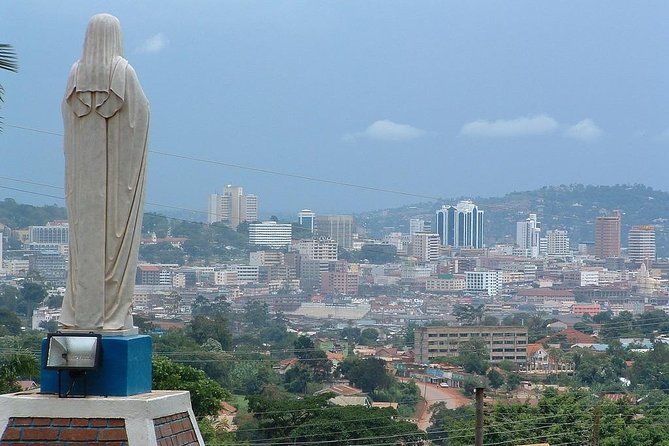
Reviewed · WALKING TOURS
Free Female Guided Walking Tours Kampala (3 Hours)
Kampala’s city center makes the most sense when someone helps you connect its monuments, markets, faiths, and daily traffic. This female-led walking tour gives you that local view while supporting guides who work with refugee communities. I like the choice of stops, and I like the small group limit of 10, which leaves room for questions. The main catch is the price wording: the tour is described as free, yet the listed booking price is $30 per person.
I also like the human scale of the outing. Guides such as Hanna and Rosette have led visitors through the city with warmth and humor, and even a shortened tour can still give you a useful first look at Kampala. You need to plan for extra costs at places such as Gaddafi Mosque, and poor weather can affect the schedule.
In This Review
- Key things to know before walking Kampala
- Why a female-led walk changes the way you see Kampala
- Beginning at Cariboo Restaurant on Speke Road
- Independence Monument and Kampala’s public symbols
- War memorials and the 2007 Chogm monument
- Nakasero Market and the everyday city
- Gaddafi Mosque and the cost of adding major sights
- Coffee, crafts, and a gentler finish
- What the three-hour format does well, and where it falls short
- Group size, guide quality, and the value of personal attention
- The $30 price and what is actually included
- Weather, cancellation, and who should book
- Should you book the Kampala female-guided walking tour?
- FAQ
- Where does the walking tour begin?
- Where does the tour end?
- How long does the Kampala walking tour last?
- How many people can join the tour?
- Who leads the walking tour?
- What sights can I choose to visit?
- Is Gaddafi Mosque included in the tour price?
- Is the tour really free?
- What happens if bad weather cancels the tour?
Key things to know before walking Kampala

- Local female guides: The tour is led solely by Ugandan women who share their city, culture, and personal connection to community work.
- A flexible three-hour route: You can select from monuments, markets, religious sites, crafts, coffee, and transport hubs.
- A useful city-center meeting point: The walk begins and ends at Cariboo Restaurant on Speke Road.
- A small maximum group: No more than 10 people are accepted, a helpful limit in crowded central areas.
- Several optional paid stops: Gaddafi Mosque requires an entrance fee, and all fees and taxes are excluded.
- A price that needs checking: The advertised amount is $30, although the guiding service is also described as free.
Why a female-led walk changes the way you see Kampala

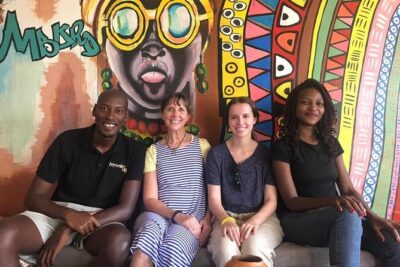
This is not simply a parade of city sights. The tour is built around local women who want to share Kampala while creating opportunities for young female guides and supporting refugee communities. That purpose gives the walk a clear social angle, but it does not replace the need for a good route and a capable guide. On this outing, both matter.
I like the idea of meeting Kampala through people who live close to its present-day concerns. A monument can tell you when something happened, but a guide can explain why it matters now, how the city uses the space, or what a name means to Ugandans. The exact depth will depend on your guide and the stops you choose.
The three-hour format is long enough for a proper orientation without taking over your day. It is a good first activity in Kampala because the route can introduce you to central roads, markets, places of worship, public transport, and craft shopping. If you arrive late, tell the guide at once. One outing had to use a shortened version, but the guide still made the time useful and entertaining.
A few more Kampala trips to weigh up
- Kampala’s Best Experience walking tour
★ 5.0 · 137 reviews - Kampala Walking City Tours (Women Guided)
★ 5.0 · 115 reviews - Kampala Walking Tour (3 Hours) with Optional Gaddafi Mosque Visit
★ 5.0 · 112 reviews
Beginning at Cariboo Restaurant on Speke Road
The meeting point is Cariboo Restaurant, at 8H7J+HM3 on Speke Road in Kampala. This gives you a fixed and recognizable starting place in the city center, and the restaurant is near public transportation.
The tour also ends here. That matters more than it may seem. You do not have to work out a second pickup point after three hours, and you can use the same location as a reference if you continue exploring on your own.
The supplied information does not give a precise departure time, so check your confirmation carefully. Confirmation is sent at booking. Arriving early is sensible, especially if you want the full route, since the city walk has several possible stops and late arrivals may shorten the outing.
Wear practical walking shoes and bring water. Those are ordinary precautions rather than special tour requirements, but Kampala’s city streets, markets, and public areas are easier to enjoy when you are not focused on tired feet. The tour is described as suitable for most people, though the route includes walking through central city areas.
Independence Monument and Kampala’s public symbols
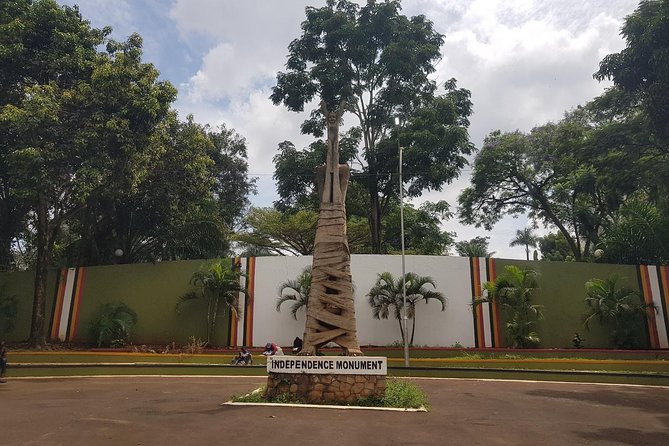
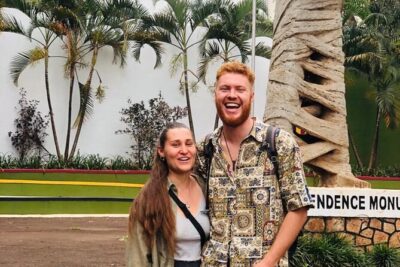
The Independence Monument is one of the natural first stops. It gives the walk a clear historical starting point and helps place Kampala within Uganda’s national story. Your guide can make the monument more than a quick photograph by explaining the symbolism and the way the site fits into the capital.
The Sir Edward Muteesa Monument adds another layer. Sir Edward Muteesa was an important Ugandan royal and political figure, so this stop can introduce the relationship between traditional leadership and modern national politics. The sculpture of Sir Apollo Kagwa offers another chance to connect public art with Ugandan leadership and memory.
The Statue of Leadership is also on the choice list. These stops are not grand attractions in the European museum sense. Their value comes from the explanations around them, and this is where a local guide earns the walking tour its place in your schedule.
You should not expect every listed sight to receive a long visit. With about three hours and a maximum group of 10, the route has to balance several places. Ask the guide which monuments can be covered together and which ones deserve more time.
War memorials and the 2007 Chogm monument
The World War I and World War II memorial monument brings international conflict into a Ugandan setting. It is a useful reminder that Kampala’s public memory is not limited to local political events. The stop can prompt questions about Uganda’s place in wider world events and how those events are remembered in the city.
The Stride Monument, connected with the 2007 Commonwealth Heads of Government Meeting, gives the walk a more recent point of reference. It shows how Kampala has presented itself as a host city for major international gatherings.
I appreciate this mix of dates. You move from independence to royal and political figures, from wartime memory to a major modern conference. That range helps you see Kampala as a capital still explaining itself through public spaces.
These monuments may not justify a separate trip across town, but together they make a sensible walking circuit. Their appeal depends heavily on interpretation, so listen closely and ask for the short version if the group is moving on.
Same country, a completely different kind of safari:
- 3 Hours Guided Cycling Tour Across Lake Victoria
★ 5.0 · 151 reviews - 3 Days gorilla trekking Safari tour in Uganda
★ 5.0 · 121 reviews - Lake Victoria Island Cycling Tour from Kampala
★ 5.0 · 120 reviews - Steve Kampala Walking tours (Airpals Safaris tour)
★ 5.0 · 89 reviews
Nakasero Market and the everyday city
Nakasero Market is likely to be one of the most useful stops for anyone who wants to see Kampala beyond formal monuments. Markets show you how a city feeds itself, trades, and organizes daily life. They also give you a chance to ask practical questions about local produce and shopping.
The market can be crowded and active, so stay with the group and keep your belongings secure. The provided tour information does not promise a shopping session, so treat this as a guided look rather than a guaranteed buying excursion.
Fabric shops are listed as an optional stop. If you want textiles, ask before the walk starts so the guide can judge whether the shops fit the timing. This is a good example of why the flexible list helps: you can shape the outing around your interests instead of spending the full three hours at sights you do not care about.
Old Taxi Park offers another view of Kampala’s daily rhythm. It is not polished sightseeing, and that is precisely the point. Public transport hubs can be noisy and crowded, but they show how people move through the capital. If you prefer quiet monuments and formal gardens, this may feel hectic. If you want a more grounded city view, it is a useful inclusion.
Gaddafi Mosque and the cost of adding major sights
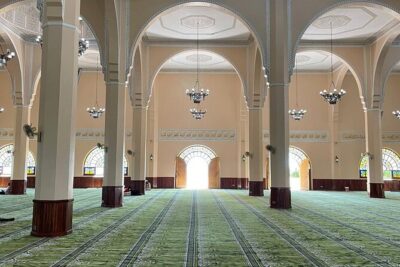
Gaddafi Mosque is an optional stop, and an entrance fee is required. Since all fees and taxes are excluded, budget for that cost separately. The listing does not state the amount, so confirm it before setting out.
The mosque can add a major architectural and religious point to the route, but you should not assume it is included in the basic guiding service. Ask whether the timing works and whether your group plans to enter or only view the site from outside.
This is one of the tour’s practical trade-offs. A three-hour walk can include many highlights, but each paid or optional stop reduces time elsewhere. I would choose Gaddafi Mosque if religious architecture interests you, then cut one or two minor monument stops rather than rushing through everything.
Because the tour focuses on local guidance, use the visit as a chance to ask respectful questions about the mosque and its place in Kampala. Follow the guide’s instructions on conduct and entry.
Coffee, crafts, and a gentler finish
The stop called 1000 Cups of Coffee is highly recommended in the tour information. It gives the walk a natural pause after monuments, traffic, and market streets. Coffee can also make a useful bridge between sightseeing and conversation, allowing you to ask the guide about Kampala while taking a break.
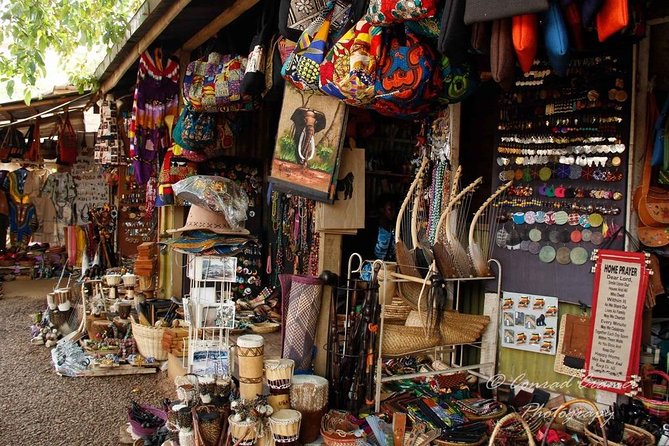
The African Village Craft Market is marked as not to be missed. If you want gifts, textiles, or handmade items, this may be the most practical stop on the route. Prices, shopping time, and payment details are not specified, so do not assume the tour fee covers purchases.
The craft market also fits the tour’s wider purpose. You are not only looking at Kampala from the pavement; you are meeting parts of the city’s creative and commercial life. Keep your buying plans realistic, since the guide may need to balance shopping with the rest of the route.
The Bahai Temple is another option. Its inclusion broadens the tour beyond Uganda’s political monuments and commercial streets, introducing the Bahai Faith as part of the city’s religious picture. The listing does not explain the travel time or length of the visit, so ask the guide whether it fits comfortably into your selected route.
What the three-hour format does well, and where it falls short
Three hours is a good amount of time for an introduction. You can see several central landmarks, get a feel for the city’s public spaces, and leave with a clearer idea of where to return later.
The route can also become too ambitious. The list includes 14 possible activities, from quick monument stops to markets, a mosque, a coffee break, a craft market, and the Bahai Temple. You cannot give every place equal attention in one afternoon. Choose your priorities early.
I would divide the options into groups:
- Choose the monuments if you want a political and historical orientation.
- Choose Nakasero Market and Old Taxi Park for everyday Kampala.
- Choose Gaddafi Mosque and the Bahai Temple for religious sites.
- Choose fabric shops, 1000 Cups of Coffee, and the African Village Craft Market for shopping and a relaxed break.
The guide may suggest a sensible combination based on the day’s timing. Be clear about your interests rather than trying to check every box.
Group size, guide quality, and the value of personal attention
The maximum group size is 10. That is small enough for a guide to hear questions and keep the group together in busy places, while still allowing the walk to feel social.
Guide quality will shape the outing. Hanna and Rosette are named as guides from a highly praised visit, and that outing described them as warm and well informed about the city. Another short visit was made enjoyable through humor and a practical response to arriving late. Those details suggest that personality and flexibility are important strengths here.
Still, guide assignments can vary. You should see the women-led format as the consistent feature, not assume that every departure will include the same person. If you have a strong interest in history, religion, markets, or refugee-community work, say so at the beginning.
The social mission adds value, but it should not lead you to ignore the basic tour questions: What route fits today? Which stops cost extra? How much time will be spent at the market? Clear answers will help you get the best use from the three hours.
The $30 price and what is actually included
The listed price is $30 per person. At the same time, the tour is described as free and says that only free guiding services are included. This is the most important point to clarify before booking.
The practical reading is that you should not treat the $30 as an all-inclusive sightseeing pass. Entry fees, taxes, food, coffee, crafts, fabric, and other personal spending are excluded. Gaddafi Mosque specifically requires an entrance fee.
If the $30 is the amount charged at checkout, its value depends on what you want from the guide. A local, female-led orientation with a small group can be useful at the start of a Kampala visit, especially if the guide gives you context that you would not get from walking alone. If you only want to see a few monuments quickly, the price may feel less convincing.
I would contact Free Walking Tours Kampala before final payment and ask why the advertised price and free-guiding description differ. Confirm what the $30 covers, whether it is a booking or service charge, and which optional stops require payment. That small check can prevent a large misunderstanding.
Weather, cancellation, and who should book
The walk requires good weather. If poor weather cancels it, you are offered another date or a full refund. For any other cancellation or amendment, the booking is non-refundable and cannot be changed, so check your plans before paying.
This tour suits you if you want a first look at Kampala led by local women, prefer a small group, and enjoy choosing between public monuments, markets, faith sites, coffee, and crafts. It is also a good fit if supporting community-focused guiding matters to you.
You may want something else if you need a fixed, tightly timed itinerary with every entry fee included. The many options are useful, but they also mean you must make choices. The tour is best approached as a guided city introduction rather than a full museum-style history lesson.
Should you book the Kampala female-guided walking tour?
Book it if the women-led format, local perspective, and flexible list of city stops appeal to you. I especially like the combination of monuments, Nakasero Market, Old Taxi Park, coffee, crafts, and religious sites. It gives you several ways to see Kampala in one morning or afternoon.
Before booking, settle the $30 versus free wording and ask which route is realistic in three hours. If you do that, arrive on time, and choose your priorities, this can be a friendly and useful introduction to the capital, with the added benefit of directing attention toward young female guides and refugee-community work.
FAQ
Where does the walking tour begin?
The tour begins at Cariboo Restaurant, located at 8H7J+HM3, Speke Road, Kampala, Uganda.
Where does the tour end?
The activity ends back at the meeting point at Cariboo Restaurant.
How long does the Kampala walking tour last?
The tour lasts approximately three hours.
How many people can join the tour?
The maximum group size is 10 people.
Who leads the walking tour?
The tour is conducted solely by local female guides. Hanna and Rosette are named as guides who have led the outing.
What sights can I choose to visit?
Possible stops include the Independence Monument, Sir Edward Muteesa Monument, World War I and World War II memorial monument, Stride Monument, sculpture of Sir Apollo Kagwa, Statue of Leadership, Nakasero Market, Hindu Temple in Nakasero, fabric shops, Old Taxi Park, Gaddafi Mosque, 1000 Cups of Coffee, African Village Craft Market, and the Bahai Temple.
Is Gaddafi Mosque included in the tour price?
Guiding at Gaddafi Mosque is not listed as an included cost. An entrance fee is required, and all fees and taxes are excluded.
Is the tour really free?
The tour is described as offering free guiding services, but the listed price is $30 per person. Confirm the amount and what it covers before booking.
What happens if bad weather cancels the tour?
If poor weather causes the cancellation, you are offered a different date or a full refund. For other cancellations or amendments, the experience is non-refundable and cannot be changed.
Just added around Kampala
- Uganda Equator Tour From Kampala To Kayabwe★ 5.0 · 4 reviews
- Uganda: 1-Day Murchison Falls Park Safari with Boat cruise★ 5.0 · 3 reviews
- 3-Day Mind Refreshing in Murchison Falls National Park★ 5.0 · 4 reviews
- Entebbe kampala airport transfers★ 5.0 · 3 reviews
- 3 Days Uganda Gorilla trek Safari Tour★ 5.0 · 4 reviews
- Weekend Package B★ 5.0 · 7 reviews
- Uganda 4 days Gorilla Trekking★ 5.0 · 3 reviews
- 15 Day Gorillas, Chimps and Big 5 Safari Tour★ 5.0 · 5 reviews
Walking Tours, compared.
Kampala Walking Tour (3 Hours) with Optional Gaddafi Mosque Visit
Read the review →
Entebbe Walking Tour (3 Hours) with Zoo and Botanical Gardens Options
Read the review →Browse the lists this tour appears in