
Reviewed · WALKING TOURS
Best Kampala group Walking Tour.
Kampala makes the most sense at street level, and this five-hour walking tour takes you straight into its markets, monuments, taxi parks, and crowded shopping lanes. You move from the calm symbolism of the Independence Monument to the daily rush of downtown, then finish with broad city views from Gaddafi National Mosque’s minaret.
I like the route’s mix of history and ordinary city life, especially the contrast between the Second World War Monument, Hindu temple, fabric market, and Kisenyi neighborhood. I also like the flexibility of guides such as Yusuf, Med, and Francis, who have adjusted walks around individual interests. The main drawback is simple: five hours on foot through busy streets can be tiring, and the mosque entrance fee is not included.
In This Review
- Key points at a glance
- Why this walking tour fits Kampala so well
- Starting at Senana and the Craft Market
- Monuments that introduce Uganda’s public story
- Downtown Kampala: markets, taxis, and organized chaos
- Kisenyi and the city beyond the postcard
- Gaddafi National Mosque and the minaret climb
- What the $25 price gets you
- Morning or afternoon, and how to prepare
- Who should book this Kampala walk?
- Booking and cancellation details
- Should you book this tour?
- FAQ
- How long does the Kampala walking tour last?
- Where does the tour begin?
- Where does the tour end?
- What sights are included?
- Is the Gaddafi National Mosque entrance fee included?
- Is bottled water provided?
- Is a guide included?
- Can I choose when to take the tour?
- What is the cancellation policy?
Key points at a glance
- Kampala’s city center on foot: See the Old Taxi Park, fruit market, fabric sellers, Kikubo shopping zone, and local streets without viewing the city from behind a vehicle window.
- A route with historical markers: Visit the Second World War Monument, Independence Monument, a sculpture of Uganda’s first president, and the Hindu temple.
- A look at everyday neighborhoods: Walk through Central Division and part of Kisenyi, including areas described as slums.
- Guides who can adapt the walk: Yusuf, Med, and Francis are named in the tour’s feedback, and the route can be shaped around your interests.
- A strong finish at the mosque: Enter Gaddafi National Mosque, then climb the minaret for panoramic views. The admission fee is extra.
- Small-group feel: The group limit is 20 people, with morning and afternoon departures available.
Why this walking tour fits Kampala so well
Kampala is not a city you understand from a short list of monuments. Its character is in the movement between places: a quiet monument beside a crowded road, a fruit stall near a taxi park, and a shopping lane where fabric, food, and household goods spill into the street.
This tour gives you that change of pace. You begin near Senana Shopping Centre on Buganda Road, opposite the Craft Market, and receive a briefing before setting out. From there, the walk links major sights with working neighborhoods rather than treating the city as a string of photo stops.
I like that approach. You get a basic orientation to Kampala, but you also see how the city functions. The tour is not just about looking at buildings. It is about understanding the city through its markets, transport hubs, shopping streets, and local communities.
The pace and length matter. At about five hours, this is a substantial city walk, not a quick introductory loop. You should expect plenty of standing and walking, with little opportunity to retreat into air-conditioned transport. Most people can take part, and service animals are allowed, but good weather is required.
A few more Kampala trips to weigh up
- Kampala’s Best Experience walking tour
★ 5.0 · 137 reviews - Kampala Walking City Tours (Women Guided)
★ 5.0 · 115 reviews - Kampala Walking Tour (3 Hours) with Optional Gaddafi Mosque Visit
★ 5.0 · 112 reviews
Starting at Senana and the Craft Market
The meeting point is Senana Shopping Centre on Buganda Road. This is a practical central starting place, and the guide gives you a briefing before the walk begins.
The first stop is the Craft Market. It offers an early look at Uganda’s handmade goods and gives you a chance to browse before the tour moves into the harder-edged rhythm of downtown. If you hope to shop, ask your guide how much time is sensible. The tour has a long route ahead, and lingering at the first stop could make the later sections feel rushed.
This opening also helps you get comfortable with the format. You are not being driven from one sight to another. You are moving through Kampala with a guide who can explain what you are seeing as the surroundings change.
Monuments that introduce Uganda’s public story
The route continues to the Second World War Monument and the Independence Monument. These stops provide a useful framework before you enter the markets and transport areas.
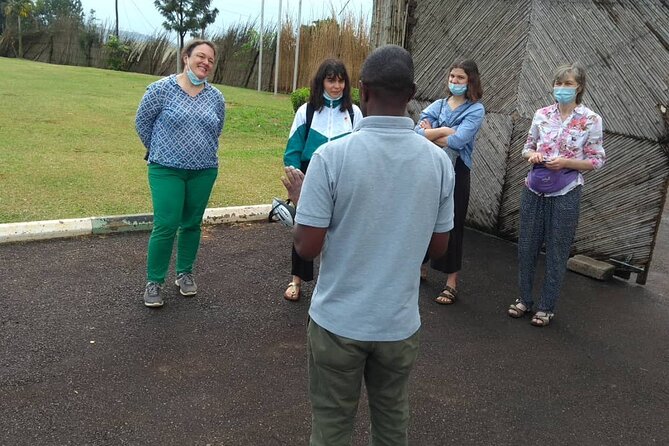
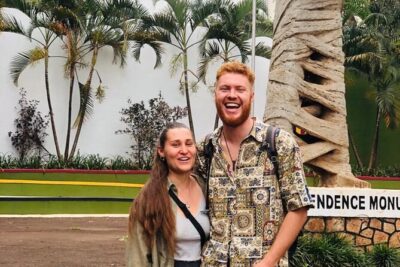
The Independence Monument is especially important for understanding Uganda’s leadership and political story. You also see a sculpture of Uganda’s first president. The supplied route does not give a full list of the historical commentary, so the value here depends on the guide’s explanation and your questions.
This is where the named guides can make a difference. Yusuf is described as taking time with questions and adjusting the walk around personal interests. Med is praised for bringing history and lesser-known parts of the city into the conversation, while Francis is associated with a friendly visit to Nakasero Market. Guide assignments can vary, so you should not assume a particular person will lead your departure.
These monuments are not lengthy museum visits. Think of them as outdoor reference points. They give you something to place the city’s present-day activity against before you reach downtown.
Downtown Kampala: markets, taxis, and organized chaos
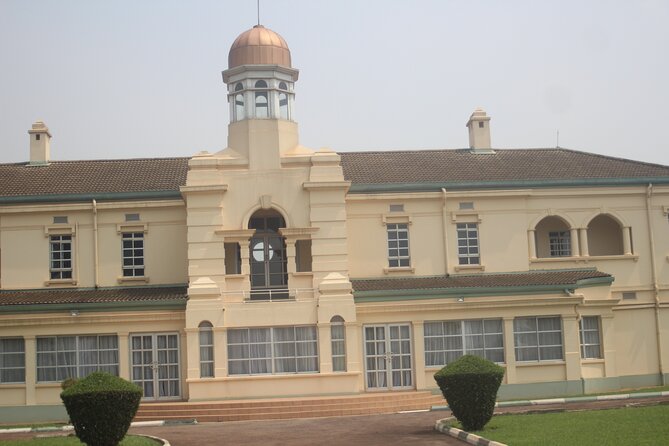
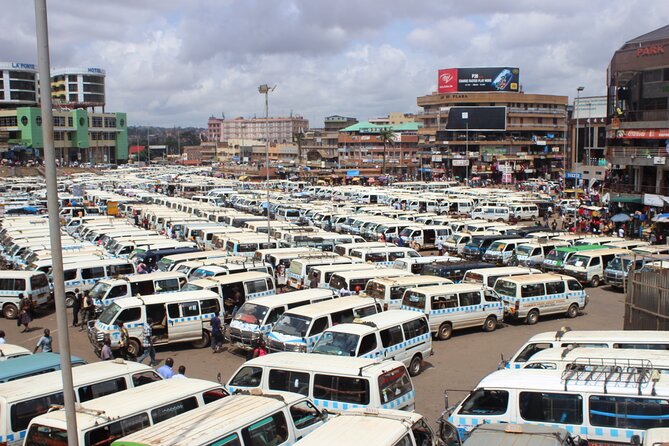
The downtown section is the heart of the experience. The route enters the old fruit market, the Hindu temple, the taxi parks, the fabric market, and the Kikubo shopping zone.
The tour describes this part of Kampala as organized chaos, which is a fair warning about the sensory load. You may encounter dense foot traffic, vehicles, vendors, goods, and constant movement. A guide is particularly useful here because you can focus on what is around you instead of working out every turn.
The oldest market on the route is known as a fruit market. This is one of the places where walking gives you more than a quick photograph. You can see the trade in progress and learn about the foods being sold. If you want to buy fruit or other local foods, the guide can help you understand where the shopping fits into the route.
The fabric market and Kikubo shopping zone add a different layer. These are commercial areas rather than preserved historic sites, and that is precisely their appeal. They show Kampala as a working capital where people shop, sell, transport goods, and move between jobs.
The Old Taxi Park is another significant stop. Taxi parks are central to the city’s movement, and seeing one on foot helps explain the pressure and pace of downtown. This part of the tour may be the most crowded and tiring. Keep your belongings secure and stay close enough to hear the guide.
Same country, a completely different kind of safari:
- 3 Hours Guided Cycling Tour Across Lake Victoria
★ 5.0 · 151 reviews - 3 Days gorilla trekking Safari tour in Uganda
★ 5.0 · 121 reviews - Lake Victoria Island Cycling Tour from Kampala
★ 5.0 · 120 reviews - Steve Kampala Walking tours (Airpals Safaris tour)
★ 5.0 · 89 reviews
Kisenyi and the city beyond the postcard
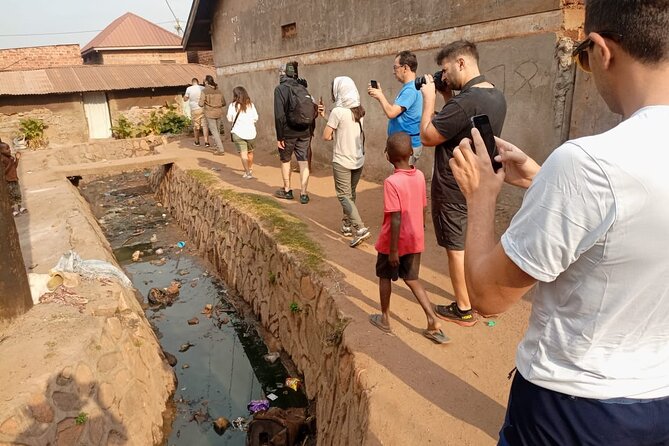
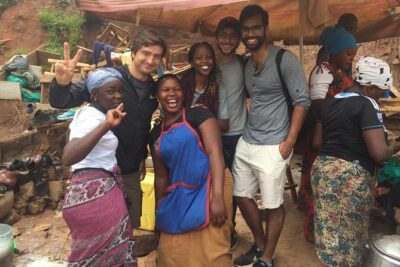
The route passes through part of Kisenyi and gives you a glimpse of slum areas. This is a serious part of the walk, and it should be approached with respect rather than treated as scenery.
The value is in learning about daily life and the contrasts within Kampala. The route moves from formal landmarks and commercial streets into neighborhoods where the city’s challenges are more visible. A local guide can provide context that you would not get from passing through alone.
Photography deserves care here. The tour information does not set out a specific photo policy, so ask the guide before taking pictures of people or homes. Listen first, and let the guide set the tone. The point is to understand the neighborhood, not to collect dramatic images.
This section also helps explain why the tour is called a city and slum tour. It is not an exclusively polished central-city walk. If you want only major sights and comfortable pavements, this route may feel too raw. If you want a broader view of Kampala, it is one of the most meaningful parts.
Gaddafi National Mosque and the minaret climb
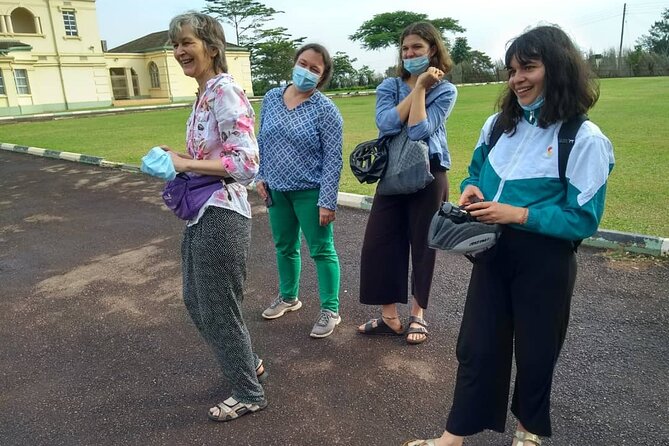
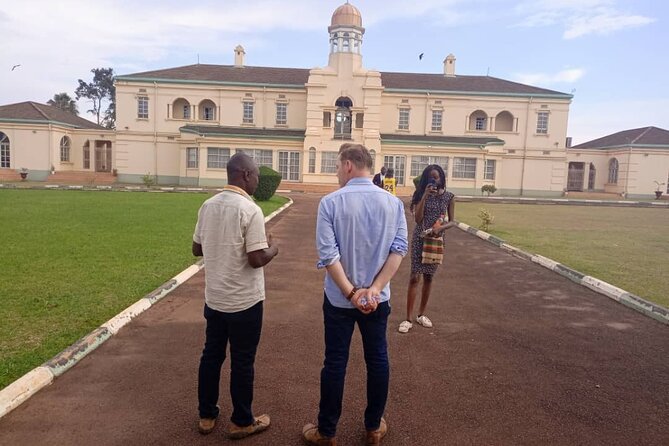
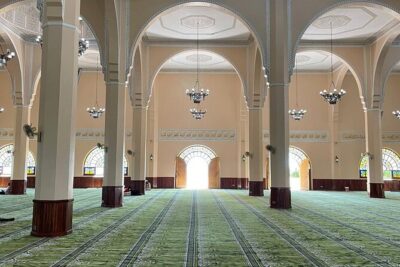
The tour ends at Gaddafi National Mosque on Gaddafi Road. The mosque is described as the biggest in sub-Saharan Africa, and its architecture combines Islamic and modern elements.
Entry is not included in the $25 price. You pay the mosque admission fee yourself, so budget for that separately. The tour ends after the mosque visit and the climb up the minaret, where you can see Kampala from above.
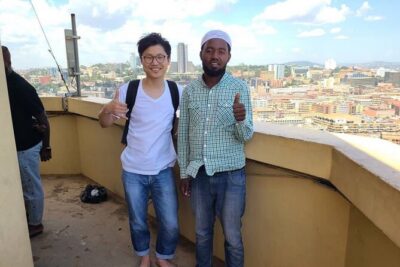
That final climb gives the walk a clear payoff. After hours among streets, stalls, markets, and taxi parks, the city opens out into a broad panorama. You can connect the places you have just visited and understand Kampala as a spread of districts rather than a series of isolated stops.
The minaret section is also the part most dependent on your comfort with stairs and height. The supplied details do not state the number of steps or the accessibility arrangements, so ask before booking if that climb is a concern. The tour description specifically includes the hike, and it is not an optional scenic add-on in the basic route.
What the $25 price gets you

At $25 per person, the tour offers five hours of guiding, bottled water, and a route covering several parts of central Kampala. The strongest value is the guide’s local interpretation. Without that, you could walk past a monument, market, temple, or taxi park without understanding its place in the city.
You are also paying for access to a route that connects different sides of Kampala. A short sightseeing outing might show you a monument or mosque, but it would be less likely to include the fruit market, fabric market, Kikubo, taxi parks, and Kisenyi in one continuous experience.
The price does not cover Gaddafi National Mosque’s entrance fee. That is the main extra cost stated in the tour details. Transport is not listed as included, and the tour begins at Senana Shopping Centre and ends at the mosque, so plan around that point-to-point arrangement.
I see the best value for a first visit, especially if you have limited time and want orientation before exploring alone. The tour is less attractive if you dislike long walks, crowded commercial districts, or an itinerary that includes slum areas.
Morning or afternoon, and how to prepare
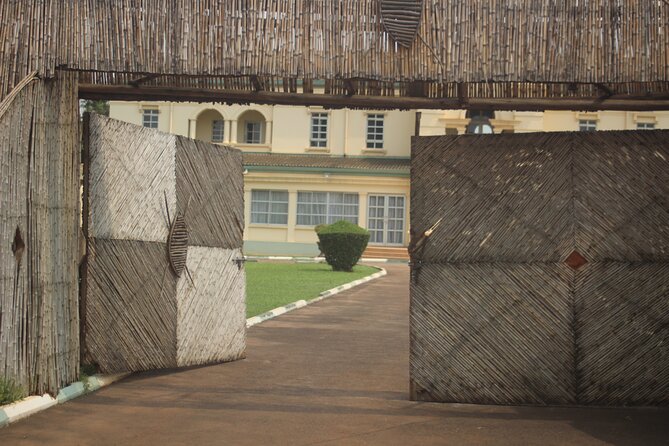
You can choose a morning or afternoon departure. That flexibility helps if you are fitting the walk between other plans, but the tour still takes about five hours, so leave a generous block of time.
Good weather is required. If poor weather forces cancellation, you are offered another date or a full refund. Since the route is outdoors and on foot, this condition is practical rather than surprising.
Wear shoes suited to a long city walk and bring only what you need. Bottled water is included, but you may still want to carry personal essentials. The route includes markets and shopping areas, so a small bag is more manageable than bulky luggage.
The group maximum is 20 people. That is not a private tour, but it is small enough for a guide to answer questions if the group stays together. You can also ask at the start about your interests. The experience has been adjusted for requests such as local shops, markets, historical sites, and particular cultural stops.
Who should book this Kampala walk?
I would choose this tour if you want to understand Kampala through daily life, not just tick off a few landmarks. It suits solo visitors, friends, and families who are comfortable walking for several hours and want a guide to explain the city as they go.
It is also a good choice for anyone interested in markets. Nakasero Market appears in the tour’s feedback as a favorite stop for fruit and local foods, although the main route specifically lists the old fruit market and other downtown markets. Ask the guide which market stops are planned for your date.
The tour may suit you if history matters, but it is not a museum tour. The historical material comes through outdoor monuments, the Independence Monument, the first president’s sculpture, the Hindu temple, and the mosque.
I would think twice if you need a fully accessible route, since the tour includes a long walk and a minaret hike, with no detailed accessibility information provided. I would also reconsider if you want a quiet, slow-paced outing. Downtown Kampala is active, crowded, and sometimes demanding.
Booking and cancellation details
Confirmation is provided at booking, and the tour is available for up to 20 people. Free cancellation applies if you cancel at least 24 hours before the start time.
Cancellations within 24 hours are not refunded, and changes made inside that period are not accepted. The cut-off follows Kampala local time. If bad weather cancels the experience, you are offered a different date or a full refund.
Should you book this tour?
Book it if you want a practical first look at Kampala that combines markets, public history, neighborhoods, and a mosque panorama in one half-day. The guide is the key ingredient, and the named guides Yusuf, Med, and Francis are associated with patient explanations, flexible routing, and strong local knowledge.
Do not book it expecting a polished sightseeing circuit or a ride between attractions. You will walk for about five hours, pass through crowded commercial areas and Kisenyi, and pay separately for mosque entry.
For the right visitor, $25 is a fair price for the time, water, and personal guidance. Ask about the guide, the exact market stops, and the minaret climb before you go. If you are ready to meet Kampala at street level, this is a useful and unusually direct introduction.
FAQ
How long does the Kampala walking tour last?
The tour lasts about five hours.
Where does the tour begin?
It begins at Senana Shopping Centre on Buganda Road in Kampala, opposite the Craft Market.
Where does the tour end?
The tour ends at Gaddafi National Mosque on Gaddafi Road after the mosque visit and minaret climb.
What sights are included?
The route includes the Craft Market, Second World War Monument, Independence Monument, a sculpture of Uganda’s first president, the old fruit market, Hindu temple, taxi parks, fabric market, Kikubo shopping zone, part of Kisenyi, and Gaddafi National Mosque.
Is the Gaddafi National Mosque entrance fee included?
No. The mosque entrance fee is paid separately by you.
Is bottled water provided?
Yes. Bottled water is included.
Is a guide included?
Yes. A full-time English-speaking tour guide is included.
Can I choose when to take the tour?
Yes. Morning and afternoon departures are available.
What is the cancellation policy?
You receive a full refund if you cancel at least 24 hours before the start time. Cancellations or changes within 24 hours are not refunded or accepted. If poor weather cancels the tour, you are offered another date or a full refund.
Just added around Kampala
- Uganda Equator Tour From Kampala To Kayabwe★ 5.0 · 4 reviews
- Uganda: 1-Day Murchison Falls Park Safari with Boat cruise★ 5.0 · 3 reviews
- 3-Day Mind Refreshing in Murchison Falls National Park★ 5.0 · 4 reviews
- Entebbe kampala airport transfers★ 5.0 · 3 reviews
- 3 Days Uganda Gorilla trek Safari Tour★ 5.0 · 4 reviews
- Weekend Package B★ 5.0 · 7 reviews
- Uganda 4 days Gorilla Trekking★ 5.0 · 3 reviews
- 15 Day Gorillas, Chimps and Big 5 Safari Tour★ 5.0 · 5 reviews
Walking Tours, compared.
Kampala Walking Tour (3 Hours) with Optional Gaddafi Mosque Visit
Read the review →
Entebbe Walking Tour (3 Hours) with Zoo and Botanical Gardens Options
Read the review →Browse the lists this tour appears in