
Reviewed · TOURS
Kampala cultural tour
Kampala’s past comes into focus on this tour through the Buganda Kingdom, where royal tombs, a former palace, a parliament building, and an infamous prison site help explain Uganda’s story. You’ll also climb to Gaddafi Mosque for a 360-degree view of the city’s famous seven hills.
I like the way the tour joins major historic places with ordinary Kampala life, including Old Taxi Park and the Independence Monument. I also like the private transport, which saves you from arranging several short rides across a busy city. Guide Twaha has earned particular praise for clear explanations and flexibility.
The main drawback is timing. The tour is described as lasting 3 to 4 hours, while the highlights say it can take about 5 hours. Admission fees at three major sites are extra, and the short stop at Old Taxi Park may feel rushed if you want to watch the city at work.
In This Review
- Key points at a glance
- Kampala’s story begins with Buganda
- Wamala Tombs and Kabaka Ssuuna’s grave
- Kasubi Tombs and four royal burials
- Kabaka’s Palace and the darker side of power
- Gaddafi Mosque and Kampala’s seven hills
- Independence Monument and Old Taxi Park
- Why the private transport matters
- A closer look at the guide experience
- Is $55 a fair price?
- Who will get the most from this tour?
- Booking, cancellation, and useful planning tips
- Should you book the Kampala Cultural Tour?
- FAQ
- How long does the Kampala cultural tour last?
- Where do you meet the guide?
- Is private transportation included?
- Is this a private tour?
- Is the tour wheelchair accessible?
- Are service animals allowed?
- Are admission tickets included?
- Is lunch included?
- What does the tour cover at Kabaka’s Palace?
- What is the cancellation policy?
Key points at a glance
- Buganda royal sites: Visit Wamala Tombs, Kasubi Tombs, and Kabaka’s Palace to follow the kingdom’s royal and political story.
- Gaddafi Mosque viewpoint: See Kampala from above while learning about the original seven hills of the city.
- Guide Twaha: Expect a guide who explains Uganda’s history, clans, religion, and local traditions in an approachable way.
- Private transport: Move between sites in private transportation rather than arranging separate taxis.
- Small private setting: Only your group takes part, making it easier to ask questions and adjust the pace.
- Allow extra time: The stated duration varies, so keep part of your day open and confirm the schedule before setting out.
Kampala’s story begins with Buganda
This is not a simple checklist of city sights. Its main purpose is to explain how Kampala fits into the history and traditions of Buganda, the kingdom that shaped much of the region around the city.
That makes the tour especially useful early in your Uganda visit. You get names, places, and ideas that can help make later time in Kampala easier to understand. The focus reaches beyond royal buildings. Religion, burial customs, political power, colonial-era change, independence, transport, and the legacy of Idi Amin all appear during the route.
The tour is private, although the general experience is described as a small-group guided outing. Only your own group participates, so you can ask for clarification without feeling you are holding up a large party. That matters at places such as the tombs, where a good explanation is more useful than a quick photograph.
Meet your guide at the post office in Kampala. From there, private transport takes you from place to place. The route covers several areas, so having transport included is a real part of the value, not just a minor convenience.
Other Kampala days people book alongside this one:
- 3 Hours Guided Cycling Tour Across Lake Victoria
★ 5.0 · 151 reviews - Kampala’s Best Experience walking tour
★ 5.0 · 137 reviews - 3 Days gorilla trekking Safari tour in Uganda
★ 5.0 · 121 reviews
Wamala Tombs and Kabaka Ssuuna’s grave
The first stop is Wamala King’s Tombs, with about 40 minutes set aside. Here you learn about the royal tombs and see the grave of Kabaka Ssuuna.
This stop introduces the relationship between Buganda’s kings, tradition, and remembrance. It is a quieter beginning than starting in the middle of Kampala’s traffic, and it gives Twaha a chance to set out the basic background before the route reaches more crowded and politically charged sites.
Admission is not included, so plan for an additional entrance payment. The supplied details do not give the fee, so ask for the current cost before the tour begins. Your 40 minutes should be enough for an introduction and a look around, but it is not a long visit for anyone who wants extensive time at the site.
I would pay close attention to the explanation of Kabaka Ssuuna rather than treating this as a brief photo stop. The value is in learning why these royal burial places matter and how Buganda’s traditions continue to shape the identity of the kingdom.
Kasubi Tombs and four royal burials
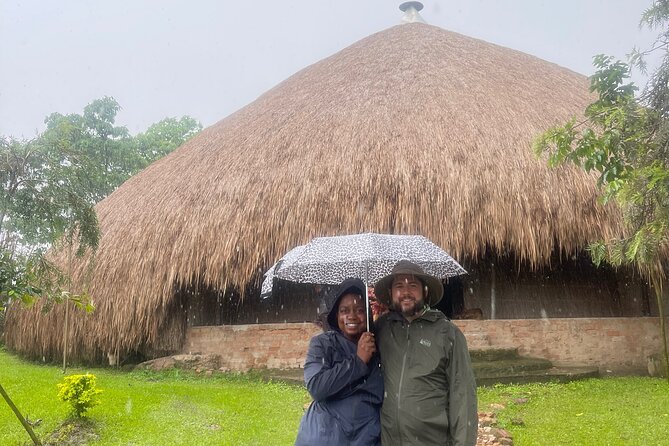
Kasubi Tombs is another 40-minute stop, and for many people it will be the emotional center of the tour. The site contains the burial grounds of four kings of Buganda, making it one of the clearest places to connect royal succession with cultural tradition.
The experience is not only about seeing graves. It gives you a chance to consider how a kingdom preserves memory and honors its former rulers. The setting carries religious and cultural importance, so listen carefully to local guidance and dress and behave respectfully.
Admission is again not included. Since the tour allows roughly 40 minutes, you should expect an introduction rather than a long, unhurried visit. If Kasubi is your main reason for booking, ask whether the schedule can give this stop enough attention.
One particularly strong account of the tour describes the visit to Kasubi Tombs as deeply moving. That reaction makes sense: this is the point where the tour’s historical material becomes personal and ceremonial. Twaha’s explanations about Buganda help turn the site from a burial ground into a place with a clear role in the kingdom’s life.
Kabaka’s Palace and the darker side of power
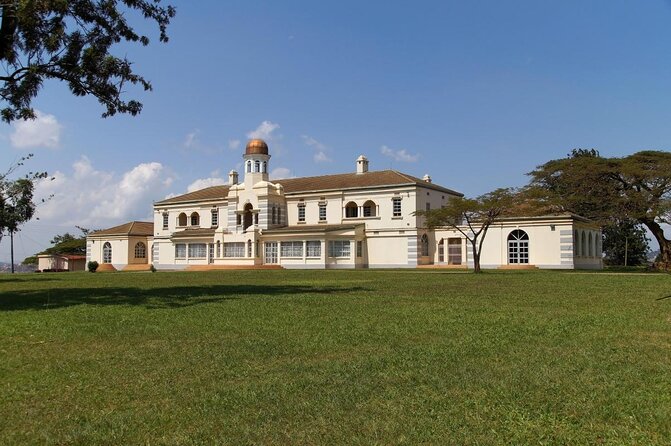
Kabaka’s Palace adds a different mood. The stop covers the background of the Buganda Kingdom, the Royal Mile, Kings Lake, Bulange Parliament, and the totems of Buganda. It also includes the Idi Amin torture chambers.
This combination is important. The palace is not presented as a grand royal residence alone. You see the links between the king, government, clan symbols, and political authority, then confront the violence associated with Idi Amin’s rule.
The torture chambers are likely to be difficult for some people. They are included to explain a painful part of Uganda’s modern history, not as a light attraction. If you prefer gentle sightseeing, prepare yourself for a serious stop. If you want a fuller understanding of Uganda beyond attractive monuments, this is one of the tour’s most valuable parts.
The mention of the Royal Mile, Kings Lake, Bulange Parliament, and Buganda totems also broadens the visit. You are not only hearing about one palace building. You are looking at the institutions and symbols connected with the kingdom.
Admission is not included here either. Since three of the main historic stops charge separately, include those costs when comparing the tour with alternatives. The tour price covers the private transport and guiding, but not every entrance.
Same country, a completely different kind of safari:
- Lake Victoria Island Cycling Tour from Kampala
★ 5.0 · 120 reviews - Kampala Walking City Tours (Women Guided)
★ 5.0 · 115 reviews - Kampala Walking Tour (3 Hours) with Optional Gaddafi Mosque Visit
★ 5.0 · 112 reviews - Steve Kampala Walking tours (Airpals Safaris tour)
★ 5.0 · 89 reviews
Gaddafi Mosque and Kampala’s seven hills
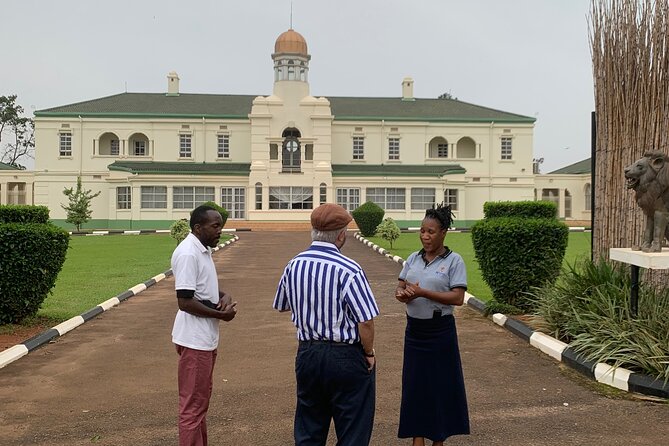
Gaddafi Mosque gives the route a change of pace and one of its best city views. From the mosque, you can see Kampala from a 360-degree viewpoint while learning about the seven hills that originally made up the city.
This is also the tour’s clearest religious stop. Along with the Christian and traditional history touched on elsewhere, the mosque helps show the range of faiths and institutions that shape Uganda. The focus is not limited to royal heritage.
Admission is included, unlike the fees at the tombs and palace. Allow about 40 minutes. That should give you time for the view and the historical explanation, although the exact experience can depend on how long the group spends listening and looking across the city.
The viewpoint is useful because it turns Kampala’s geography into something you can see. Instead of hearing a list of hills in a vehicle, you can look out over the city and place the discussion in context. Bring a camera if you enjoy city views, but keep the cultural purpose of the visit in mind.
Independence Monument and Old Taxi Park
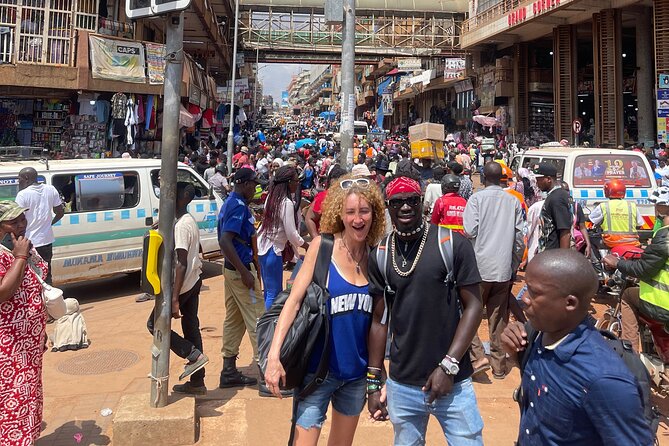
The final two stops are short, each listed at about five minutes. The Independence Monument deals with Uganda’s history and heritage before and after independence.
Five minutes is enough for a quick explanation and photograph, but not a full lesson. Think of this as a compact introduction that links the royal and colonial-era material to the modern country. You may want to ask Twaha one or two focused questions here rather than expecting a long visit.
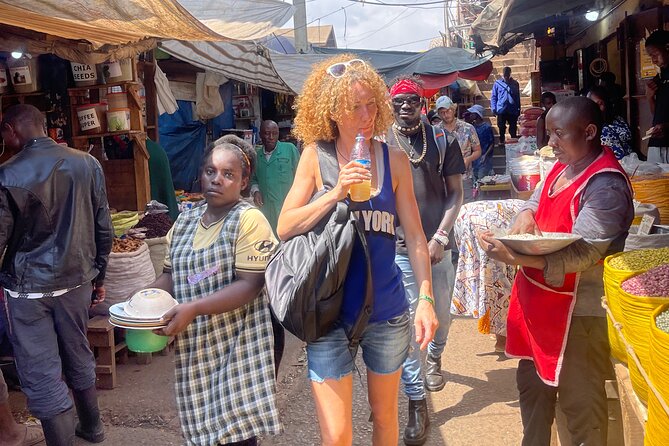
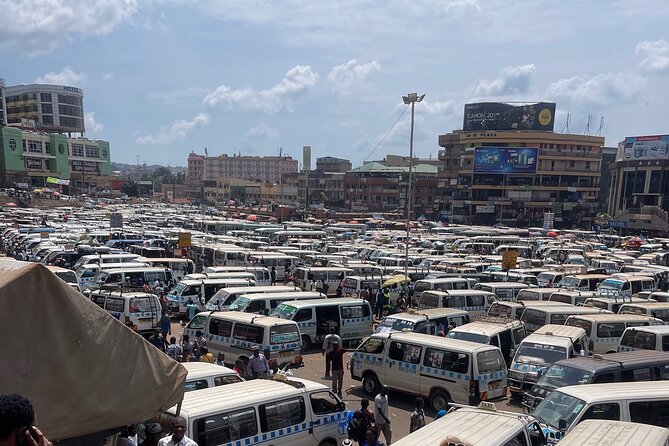
Old Taxi Park explains Uganda’s transport system. This is a practical slice of Kampala rather than a formal historic site. It shows how people move around the city and gives the tour a more everyday ending.
The short timing is the limitation. A transport hub can be interesting precisely because it is active and full of small details, but five minutes will only provide a snapshot. If you enjoy observing daily life, tell your guide that you would like a little context about how the system works.
Together, these stops keep the tour from becoming only a royal heritage route. You finish with the country’s independence story and the transport network that serves present-day Kampala.
Why the private transport matters
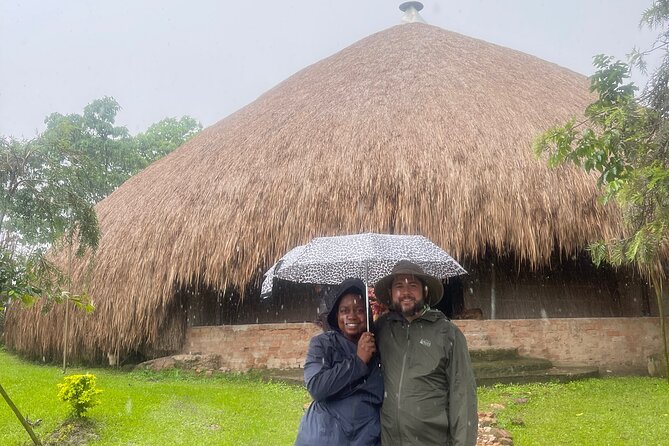
The route covers several separate sites, and private transportation is included. That is a strong practical advantage. You do not need to arrange a vehicle between Wamala, Kasubi, the palace, the mosque, the monument, and Old Taxi Park.
The exact amount of road time is not given, and Kampala traffic can affect the day. The published timing is also inconsistent, with the main description saying approximately 3 to 4 hours and the highlights saying around 5 hours. I would reserve at least half a day and avoid scheduling a flight, formal meeting, or other fixed appointment immediately afterward.
The private format also gives you more control. Reviews praise Twaha for being flexible, and that matters when one member of your group wants more time at Kasubi or needs a slower pace. Flexibility is not a guarantee that every stop can be extended, but a private outing gives you a better chance to discuss priorities.
The tour is wheelchair and stroller accessible, and service animals are allowed. Most people can participate, and the meeting point is near public transportation. Since each site may have its own surfaces and access conditions, it is sensible to confirm any specific mobility needs when booking.
A closer look at the guide experience
Twaha is the guide name most closely associated with this experience, though one description also spells the name as Tahwa. The strongest praise centers on his ability to explain Kampala, Uganda, local clans, religion, and the Buganda Kingdom in a way that keeps the route connected.
That kind of guide makes a major difference here. Without context, tombs can seem like buildings, a palace can seem like another stop, and a city view can be just a city view. With clear explanations, each place adds another part of the story.
The guide’s role is especially important at Kabaka’s Palace, where the tour moves from royal institutions to Idi Amin’s torture chambers. You need a guide who can handle both subjects with care and keep the explanation grounded.
One point to keep in mind is that a start was delayed on one occasion. That does not define the whole experience, but it is a useful reminder not to plan an overly tight day around the advertised finish. The overall feedback gives the tour a 5 out of 5 rating from 50 reviews, with 100 percent recommending it, but practical timing still deserves your attention.
Is $55 a fair price?
At $55 per person, the value depends on what you want from a Kampala tour. You are paying for a private guide, private transport, and a route that connects several important sites in one outing. If you would otherwise hire separate taxis and arrange explanations at each location, the price is reasonable.
The price does not include lunch, tips, souvenirs, or admission to Wamala Tombs, Kasubi Tombs, and Kabaka’s Palace. Gaddafi Mosque admission is included, while the Independence Monument and Old Taxi Park are free. Add the three entrance fees before you compare the total cost with other options.
There is no lunch stop listed, so eat beforehand or plan food after the tour. The duration can reach about five hours, and the route includes serious historical material, so this is not just a quick morning drive around the city.
I see the best value in the transport and interpretation. The sites themselves are meaningful, but the tour earns its price by showing how they connect. For a first visit to Kampala, that framework can save you time and help you choose where to return on your own.
Who will get the most from this tour?
I would recommend it to you if you want a broad introduction to Kampala and Buganda in a single half-day. It suits people interested in royal history, religion, politics, clan traditions, and present-day city life.
It also works well for solo visitors who want private transport and a clear meeting plan. One solo woman described feeling safe, informed, and welcomed throughout the outing. That is useful reassurance, though you should still use your normal city travel judgment.
Couples, families, and small private groups can benefit from the flexible format. Wheelchair and stroller access make it possible for more people to join, and service animals are allowed.
This may not suit you if you want a slow, museum-style visit at every location. With six stops and variable timing, the route favors breadth. Kasubi and Kabaka’s Palace deserve attention, while the monument and taxi park are brief additions.
I would also think twice if you want a light, purely scenic day. The Idi Amin torture chambers and the themes of burial and political violence give the tour weight. That seriousness is a strength for many people, but it is not something to overlook when booking.
Booking, cancellation, and useful planning tips
You receive confirmation at booking, and the tour is offered with a mobile ticket. Free cancellation is available if you cancel at least 24 hours before the local start time. Within 24 hours, you receive no refund, and changes made in that period are not accepted.
Because the meeting point is the post office in Kampala, confirm the exact location and start time before the day. Keep your schedule open for the longer estimate of five hours, especially if traffic or extra questions slow the route.
I would also budget for entrance fees, a possible tip, and any food or souvenirs you want. None of those costs are included. A little preparation will keep the $55 price from becoming misleading at checkout.
Should you book the Kampala Cultural Tour?
Book this tour if you want context, private transport, and a wide view of Kampala’s past and present. Twaha’s explanations about Buganda, clans, religion, and Uganda’s political history are the main reason to choose it, while Kasubi Tombs and Gaddafi Mosque provide the most memorable contrasts.
Go in knowing that the schedule is full, the timing is not perfectly consistent, and three major admission fees are extra. If you reserve half a day, arrive ready for serious subjects, and ask for the current entrance costs, this is a strong way to get your bearings in Kampala without arranging every ride yourself.
FAQ
How long does the Kampala cultural tour last?
The duration is listed as approximately 3 to 4 hours, while the highlights describe the tour as taking around 5 hours. Allow up to half a day.
Where do you meet the guide?
You meet the guide at the post office in Kampala.
Is private transportation included?
Yes. Private transportation takes you between the stops.
Is this a private tour?
Yes. Only your group participates in the private tour or activity.
Is the tour wheelchair accessible?
Yes. The experience is listed as wheelchair and stroller accessible.
Are service animals allowed?
Yes. Service animals are allowed.
Are admission tickets included?
Admission is not included at Wamala King’s Tombs, Kasubi Tombs, or Kabaka’s Palace. Admission to Gaddafi Mosque is included, while the Independence Monument and Old Taxi Park are free.
Is lunch included?
No. Lunch is not included.
What does the tour cover at Kabaka’s Palace?
The stop covers the Buganda Kingdom’s historical background, the Idi Amin torture chambers, the Royal Mile, Kings Lake, Bulange Parliament, and Buganda totems.
What is the cancellation policy?
You can cancel at least 24 hours before the experience’s local start time for a full refund. Cancellations or changes made within 24 hours are not refunded or accepted.
Just added around Kampala
- Uganda Equator Tour From Kampala To Kayabwe★ 5.0 · 4 reviews
- Uganda: 1-Day Murchison Falls Park Safari with Boat cruise★ 5.0 · 3 reviews
- 3-Day Mind Refreshing in Murchison Falls National Park★ 5.0 · 4 reviews
- Entebbe kampala airport transfers★ 5.0 · 3 reviews
- 3 Days Uganda Gorilla trek Safari Tour★ 5.0 · 4 reviews
- Weekend Package B★ 5.0 · 7 reviews
- Uganda 4 days Gorilla Trekking★ 5.0 · 3 reviews
- 15 Day Gorillas, Chimps and Big 5 Safari Tour★ 5.0 · 5 reviews
Tours, compared.

3 Hours Guided Cycling Tour Across Lake Victoria
Read the review →

3 Days gorilla trekking Safari tour in Uganda
Read the review →
Kampala Walking Tour (3 Hours) with Optional Gaddafi Mosque Visit
Read the review →
3 Days Murchison Falls Adventure Wildlife Safari Uganda Tour
Read the review →
Browse the lists this tour appears in