
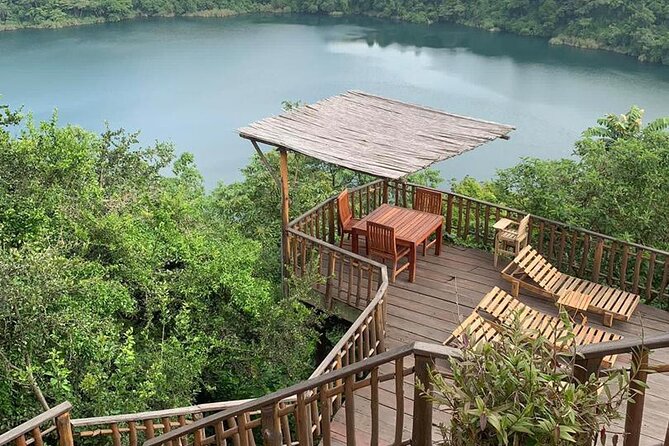
Reviewed · SAFARI
25 day uganda Rwanda kenya and Tanzania safari Zanzibar inclusive
The biggest draw here is the range: mountain gorillas in Uganda and Rwanda, lions and elephants across four major safari regions, then white-sand beaches in Zanzibar. Few trips pack primate trekking, the Maasai Mara, Serengeti, Ngorongoro, and Stone Town into one route.
I like the thoughtful progression from Uganda’s forests and lakes to the open plains of Kenya and Tanzania. I also like the private format, with an air-conditioned vehicle, WiFi on board, airport pickup, and a guide assigned to your own group. The main drawback is the pace. Twenty-five days means many long drives, and some border crossings and park transfers take most of a day.
In This Review
- Key points to know before booking
- From Entebbe to Murchison Falls
- Chimps, wetlands, and Queen Elizabeth
- Lake Bunyonyi and two gorilla treks
- Amboseli and Lake Nakuru
- Masai Mara to Serengeti across the Isebania border
- Ngorongoro, Manyara, and Tarangire
- Stone Town and Zanzibar’s beaches
- What $25,500 buys you
- Who should choose this safari
- Should you book it?
- FAQ
- Where does the 25-day safari begin?
- Where does the safari end?
- Is this a private tour?
- Are gorilla permits included?
- What meals are included?
- Is airport pickup available?
- How long is chimpanzee tracking?
- How long do I spend with the gorillas?
- Can I cancel for a full refund?
Key points to know before booking
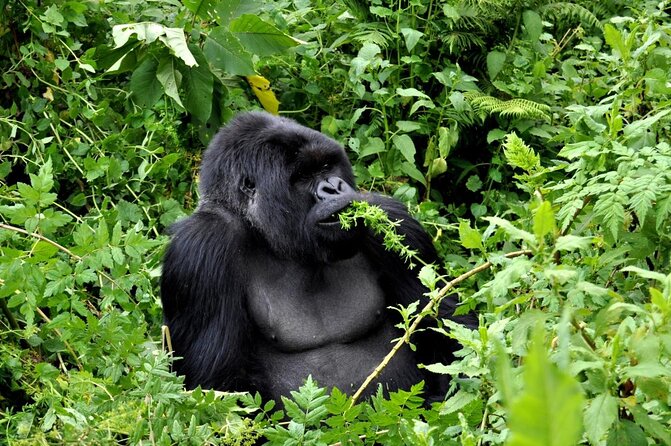
- Two gorilla treks and chimpanzee tracking: You visit Bwindi and Volcanoes National Park, then track chimps in Kibale Forest.
- Four classic East African safari areas: Amboseli, Lake Nakuru, Masai Mara, and Serengeti each offer a different wildlife setting.
- A full Ngorongoro Crater day: You descend into a volcanic basin with a high chance of seeing many East African species, including black rhino.
- A real cross-border route: The transfer from Masai Mara to Serengeti uses the Isebania border and takes nearly the whole day.
- Zanzibar is part of the main plan: You finish with Stone Town, beach time, and optional visits to Prison Island, a spice farm, or Jozani Forest.
- A premium-priced private safari: At $25,500 per person, you should confirm the exact lodging level, permits, flights, and meals included before paying.
From Entebbe to Murchison Falls
Your trip begins at Entebbe International Airport, where a guide and driver meet you with a name card. Depending on your arrival time, you transfer to a hotel in Entebbe or Kampala. An early arrival may allow a short city visit, but I would treat this first day as a useful buffer rather than count on much sightseeing.
The next morning, you head north toward Murchison Falls National Park and stop at Ziwa Rhino Sanctuary. Rhino tracking gives the route a strong conservation angle. Uganda’s last rhinos were lost from the wild after years of poaching, so this sanctuary was created to protect a breeding population with the long-term hope of returning rhinos to national parks.
Lunch at Amuka Lodge breaks up the drive before you continue to Murchison Falls. The day is long, but Ziwa makes it more than a simple transfer. You may also see crocodiles, birds, and small primates at the sanctuary, though rhino tracking is the main reason to stop.
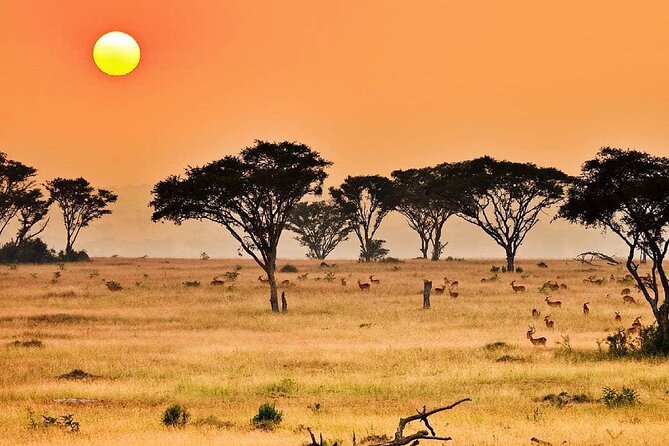
Day three brings an early game drive on the southern bank of the Nile. The park can offer four of the Big Five here: lion, buffalo, leopard, and elephant. You may also see hyena, bushbuck, jackal, Uganda kob, and hartebeest.
After lunch and a rest, a boat cruise takes you toward the base of the falls. This is one of the strongest combinations in Uganda, with hippos packed along the water, crocodiles on the banks, and many birds. The boat gives you a different view from the vehicle and helps break up the repeated rhythm of game drives.
A few more Kampala trips to weigh up
- 3 Days gorilla trekking Safari tour in Uganda
★ 5.0 · 121 reviews - 8-Day Murchison Falls, Chimp and Epic Gorilla Trekking Safari
★ 5.0 · 72 reviews - 3 Days Murchison Falls Adventure Wildlife Safari Uganda Tour
★ 5.0 · 61 reviews
Chimps, wetlands, and Queen Elizabeth
Day four is mainly a transfer from Murchison Falls to Kibale National Park. It is also one of the better windows into ordinary Ugandan life, as the road passes small towns, gardens, lakes, rivers, and changing countryside. Expect a full travel day with a lunch stop.
In the afternoon, you visit Bigodi Wetlands Sanctuary. This community-run area is known for primates and birds, and it adds a local element that a standard park circuit can miss. It is a gentler outing before the more demanding chimpanzee trek.
Kibale’s chimpanzee tracking starts with a briefing at park headquarters. The walk usually lasts three to five hours, and you spend about one hour with the chimps once you find them. The forest is not a simple stroll. Chimps spend much of their time high in trees and move quickly, so you need reasonable fitness and sturdy footwear.
After lunch, you drive about two hours to Queen Elizabeth National Park. The schedule works, but it leaves little room for a slow morning after the trek. If you prefer wildlife viewing over primates, ask in advance if the timing can be adjusted.
Queen Elizabeth begins with an early morning game drive. The timing is useful because you may catch nocturnal animals returning to their dens and see predators becoming active. Lions, buffaloes, hartebeests, hippos, and many birds are possible sightings.
At 2:00 p.m., you take a boat cruise on the Kazinga Channel, which links Lake George and Lake Edward. Hippos and buffaloes are major attractions, while the birdlife can be excellent. I consider this one of the tour’s best water-based outings because the animals gather close to the channel and you are not simply passing them from a road.
Lake Bunyonyi and two gorilla treks
Lake Bunyonyi provides a needed pause after several demanding days. The lake has about 29 islands, green hills, beaches, and plenty of birdlife. A boat outing lets you see the islands and watch local people row boats or fish.
This is a smart rest day in the middle of a very active trip. You can spend it quietly by the water, but the schedule also allows for exploring. Do not expect a major wildlife stop here. Its value is scenery, calm, and recovery before the gorilla trek.
The Bwindi day starts early with registration and a briefing. Park staff allocate gorilla groups based on fitness, age, and preference. The forest can be dense, muddy, and physically demanding, with shrubs and steep sections before you reach the family.
You have one hour with the gorillas. That limit matters, so listen closely to the guides and take photographs only when permitted. A hiking stick is provided, and you receive a certificate after the trek.
The next day shifts to Rwanda’s Volcanoes National Park. The gorilla briefing begins around 7:00 a.m., and Rwanda has about 10 gorilla families available for tracking. Group allocation again considers fitness. You follow strict guidance in the forest, avoid sudden movements, and wait for permission before taking photos.
Two gorilla treks give you a rare chance to see these animals in different park settings, but they also make this portion physically serious. You should be comfortable with forest walking and muddy ground. The supplied information does not state that the Rwanda gorilla permit is included, and Day 9 specifically lists park admission as not included. Confirm the permit cost in writing.
After the Rwanda trek, the route continues to golden monkey tracking. These endangered primates have bright gold coats and move in lively groups. Later, you drive roughly three hours to Kigali through tea-growing areas and Rwanda’s rolling hills.
A visit to the Kigali Genocide Memorial is included in the Kigali portion of the trip. Set aside quiet time for it. This is not a casual sightseeing stop, but an important place to learn about Rwanda’s past and the country’s effort to remember and rebuild.
Amboseli and Lake Nakuru
Day 11 shifts you to Kenya. A guide collects you from a Nairobi hotel or Jomo Kenyatta International Airport at 7:30 a.m., then drives along Mombasa Road and across the Athi Plains to Amboseli. The trip takes roughly three to five hours.
After lunch and a short rest, you take an afternoon game drive. Amboseli is especially valued for its views toward Mount Kilimanjaro when clouds clear. The mountain is most likely to show itself around sunrise, so the early start on Day 12 is worthwhile.
You spend the full day in the park with packed lunch, then leave around 4:00 p.m. for Lake Nakuru. This is another long transfer after a full wildlife day. The route covers a lot, but you should expect plenty of time in the vehicle.
Lake Nakuru is known for flamingos and for its rhino sanctuary. The park holds black and white rhinos, along with buffaloes, giraffes, and other species. The number of flamingos varies, so do not book this section expecting a guaranteed pink shoreline. The lake’s alkaline water and birdlife remain the main draw even when conditions change.
You arrive for lunch, take an afternoon game drive, and then continue toward Masai Mara. That makes Day 13 busy, with park viewing combined with another transfer.
Same country, a completely different kind of safari:
- 3 Hours Guided Cycling Tour Across Lake Victoria
★ 5.0 · 151 reviews - Kampala’s Best Experience walking tour
★ 5.0 · 137 reviews - Lake Victoria Island Cycling Tour from Kampala
★ 5.0 · 120 reviews - Kampala Walking City Tours (Women Guided)
★ 5.0 · 115 reviews
Masai Mara to Serengeti across the Isebania border
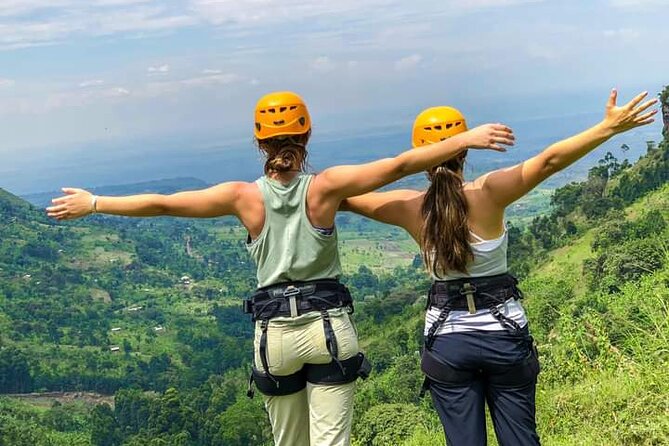
The Masai Mara receives an afternoon game drive on arrival, followed by a full wildlife day. This is one of the trip’s strongest areas for big cats and resident plains animals. The reserve is part of the wider Serengeti ecosystem, and seasonal movement brings wildebeest, zebras, and predators across the region.
A packed lunch lets you stay out for the full day. Lions, cheetahs, and other predators are possible, and nearly 500 bird species have been recorded in the reserve. The route is well suited to someone who wants classic open-country safari viewing rather than a forest or water-based experience.
Day 16 is the trip’s toughest transfer. You leave Masai Mara for Serengeti through the Isebania border, with a Maasai community visit planned along the way. The journey takes almost the whole day, but it includes a morning game drive in the Mara and an afternoon game drive in Serengeti.
This is an efficient connection, not a relaxed one. Border procedures can make timing less predictable, so keep that in mind if you are hoping to arrive early at camp. You should also confirm exactly what the Maasai visit includes and how community fees are handled.
Serengeti receives a full game-driving day on Day 17. The park covers about 18,000 square kilometers and is linked to the great migration, with wildebeest, zebras, gazelles, lions, cheetahs, hyenas, birds, and smaller animals spread across the plains.
The plan also allows for Oldupai Gorge and a hot-air balloon ride. These are notable extras, but the details do not say that either is included. Ask about cost, operating dates, and pickup timing before treating them as part of the package.
Ngorongoro, Manyara, and Tarangire
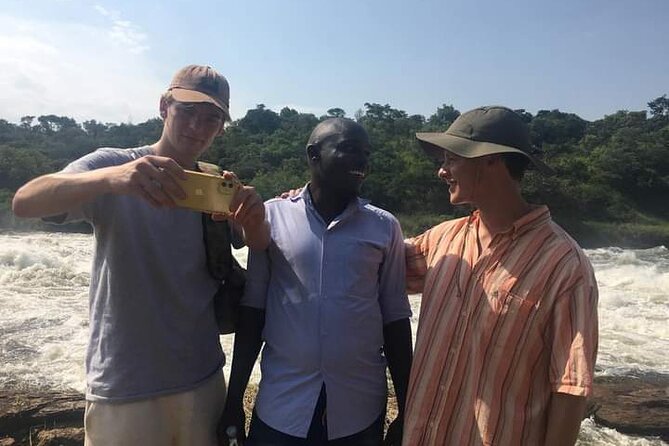
An early morning safari leads into the Ngorongoro section, followed by a transfer to the crater area. The crater has walls about 600 meters high and a floor covering roughly 264 square kilometers. It is famous for dense wildlife viewing and offers a chance to see black rhino.
The next morning begins before breakfast with a descent to the crater floor. You spend the day viewing wildlife, stop for a picnic near a hippo lake, and then climb out in the afternoon. A possible walking safari in the Ngorongoro Highlands adds a different pace, but confirm whether it is included and how fitness requirements work.
From Ngorongoro, you transfer to Manyara for the night. Tarangire can replace Manyara, and the route specifically favors Tarangire from June through September. That seasonal option is useful because it lets the operator match the park to the time of year.
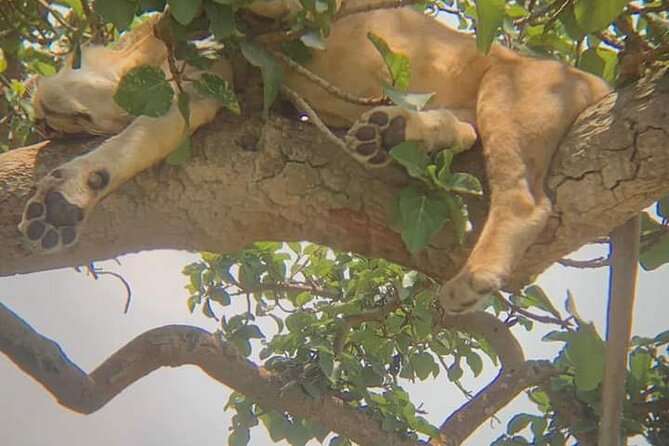
Lake Manyara is a compact, varied park with acacia and mahogany forest, baboons, blue monkeys, elephants, giraffes, buffaloes, impalas, hippos, and many birds. It is also associated with tree-climbing lions and flamingos, though neither sighting is certain.
Tarangire follows with a full day and picnic lunch. Its permanent river draws wildlife during dry periods, while baobab trees give the park a distinctive look. Elephants are a major feature, with the park described as supporting up to 6,000. You may also see lions, leopards, cheetahs, and many other species.
The Manyara and Tarangire sequence adds variety, but it also creates another long run of early starts and vehicle time. I would ask for the exact lodge locations, since a distant camp can add more road hours to already full days.
Stone Town and Zanzibar’s beaches
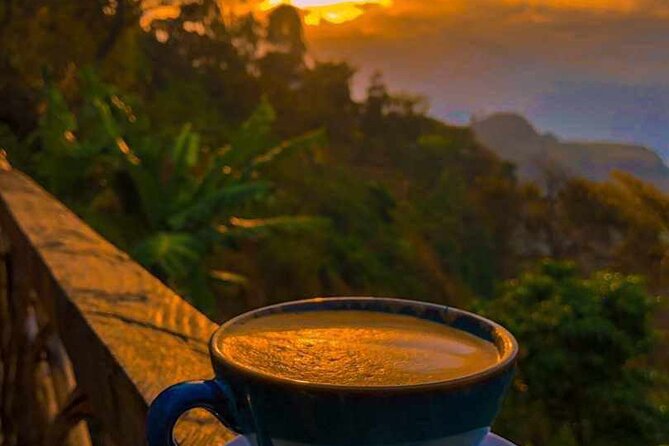
After Tarangire, you fly or transfer onward to Stone Town as arranged by the operator, with the first night set aside for rest. The accommodation is described as a boutique hotel in a characteristic building in the old center, close to restaurants.
Stone Town is a welcome change after two weeks of parks. You can walk through its old streets, eat at nearby restaurants, and use the optional full-day visit to combine an old-town tour, a spice tour, and Prison Island. A half-day version includes one of those choices.
Jozani Forest is another optional outing. The information provided does not give its price, so confirm that before booking. Lunch is not included on the Stone Town and Jozani options.
The final two full days are free for beach time and resort facilities. You can choose a spa treatment, massage, pool time, ocean swimming, snorkeling, or another day tour. This open space is important. After long drives and repeated early starts, Zanzibar gives you room to set your own pace.
Your last day includes airport transfer to Zanzibar International Airport. The tour ends there, not back in Kampala, despite the general meeting-point wording. Confirm your flight timing and final hotel checkout arrangements.
What $25,500 buys you
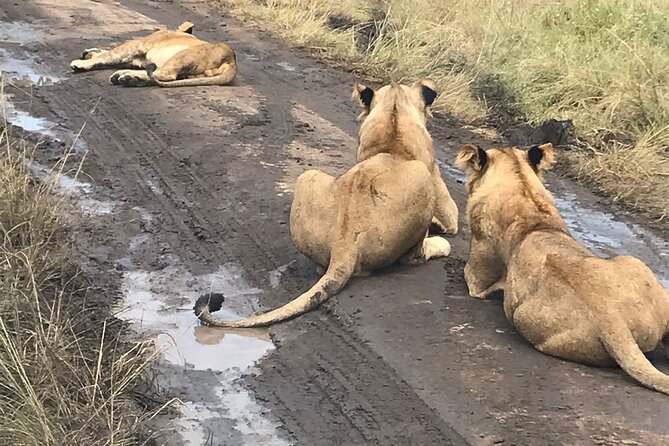
At $25,500 per person, this is a major investment. The price may make sense for a private, multi-country safari with a dedicated vehicle, accommodation, airport pickup, WiFi, and selected breakfasts, lunches, and dinners. It also covers an unusually broad route that would be difficult to organize independently.
Still, the inclusions need careful checking. The summary lists 10 breakfasts, 10 lunches, and 10 dinners even though the trip lasts 25 days. Rwanda park admission is marked as not included, and airport or departure tax is excluded. Gorilla permits, optional balloon rides, optional cultural activities, internal flights, and any extra meals should be confirmed in a written cost sheet.
The private format is valuable if you want schedule control and direct access to your guide. Previous trips with this operator have used guides named Solomon and Abraham, and the strongest praise centers on clear communication, wildlife knowledge, good English, comfortable vehicles, and guides who respect guest decisions. You cannot assume either guide will be assigned, so ask before booking.
There is also a serious warning sign in the feedback record: one party reported extra charges, a wrong quote, and a cancelled safari, while the company issued its own rebuttal. I would not ignore this. Use a signed itinerary, itemized inclusions, permit receipts, confirmed hotel names, and a payment schedule. Keep all promises in writing.
Who should choose this safari
I would recommend this route to you if you want a single long trip covering primates, classic safari, culture, and the coast. It suits people who value a private vehicle, do not mind early mornings, and accept long road transfers as the price of crossing four countries.
It is less suitable if you want a slow holiday, dislike muddy forest walks, or need predictable travel days. The gorilla permits, two gorilla treks, chimpanzee tracking, and multiple full-day drives demand stamina.
The 97 percent recommendation rate and 4.7 rating from 31 recorded reviews suggest strong overall satisfaction, especially with guides and trip planning. That should encourage you, but the disputed complaint means you should verify every financial detail rather than rely on the headline rating alone.
Should you book it?
Book this safari if the full package is clearly itemized and you want maximum variety in one journey. Uganda provides the strongest primate focus, Kenya and Tanzania deliver the big-game core, and Zanzibar gives the trip a softer finish.
Before paying, ask for the named accommodations, the exact number of included meals, all gorilla and park permits, border costs, internal transport, optional activity prices, and the identity of your guide. If the $25,500 price covers those major expenses and the lodging matches your expectations, the route can offer exceptional breadth. If several big-ticket items remain outside the price, compare it with a shorter private safari plus a separately booked Zanzibar stay.
FAQ
Where does the 25-day safari begin?
The safari begins at Entebbe International Airport in Uganda. A guide and driver meet you there with a name card and transfer you to accommodation in Entebbe or Kampala.
Where does the safari end?
The experience ends with a transfer to Zanzibar International Airport for your international departure.
Is this a private tour?
Yes. Only your group participates in the private tour or activity.
Are gorilla permits included?
The provided details do not clearly confirm that all gorilla permits are included. Day 9 lists Rwanda park admission as not included, so you should confirm permit and admission costs before booking.
What meals are included?
The package lists 10 breakfasts, 10 lunches, and 10 dinners. Because the safari lasts about 25 days, confirm which dates and hotels include meals.
Is airport pickup available?
Yes. Pickup is offered, including collection at Entebbe International Airport on arrival. The Kenya section also describes pickup from a Nairobi hotel or Jomo Kenyatta International Airport.
How long is chimpanzee tracking?
Chimpanzee tracking in Kibale usually lasts three to five hours, followed by about one hour with the chimpanzees once they are located.
How long do I spend with the gorillas?
You spend one hour with the gorilla family during each tracking experience, subject to park rules and guide instructions.
Can I cancel for a full refund?
Yes, if you cancel at least 24 hours before the experience start time. Cancellations within 24 hours are not refunded, and changes within that period are not accepted.
Just added around Kampala
- Uganda Equator Tour From Kampala To Kayabwe★ 5.0 · 4 reviews
- Uganda: 1-Day Murchison Falls Park Safari with Boat cruise★ 5.0 · 3 reviews
- 3-Day Mind Refreshing in Murchison Falls National Park★ 5.0 · 4 reviews
- Entebbe kampala airport transfers★ 5.0 · 3 reviews
- 3 Days Uganda Gorilla trek Safari Tour★ 5.0 · 4 reviews
- Weekend Package B★ 5.0 · 7 reviews
- Uganda 4 days Gorilla Trekking★ 5.0 · 3 reviews
- 15 Day Gorillas, Chimps and Big 5 Safari Tour★ 5.0 · 5 reviews
Safari, compared.
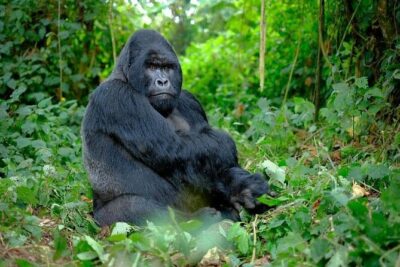
3 Days gorilla trekking Safari tour in Uganda
Read the review →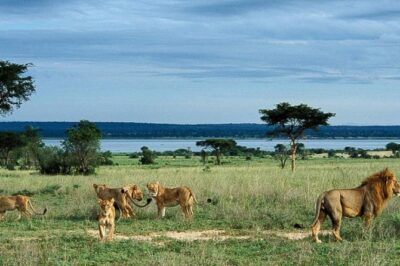
8-Day Murchison Falls, Chimp and Epic Gorilla Trekking Safari
Read the review →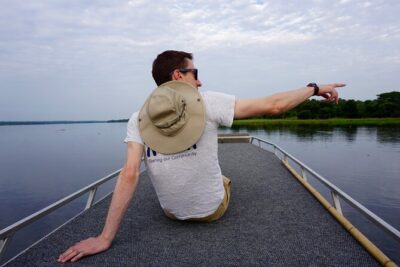
3 Days Murchison Falls Adventure Wildlife Safari Uganda Tour
Read the review →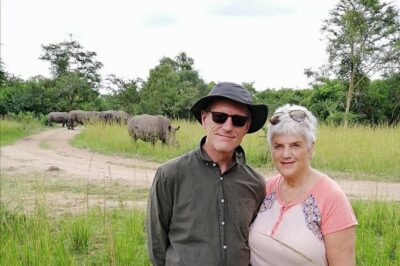
3-Day Ultimate Big Five Safari – Murchison Falls & Rhinos
Read the review →
2 Days Safari To Queen Elizabeth National Park with Cruise
Read the review →
5-Day Pearl of Africa Chimps and Gorilla Trekking Safari
Read the review →
4-Day Uganda Gorilla Trekking and Wildlife Safari
Read the review →Browse the lists this tour appears in