
Reviewed · PRIVATE
12-Day Moderately Priced Pearl of Africa – Uganda Private Safari
The great hook here is the range. In 12 days, you can search for a shoebill in a papyrus swamp, walk near rhinos, watch elephants from the Nile, track chimps in Kibale, and spend an hour with mountain gorillas in Bwindi. I especially like the private 4×4 format, since your group can keep the pace flexible, and the mix of boat trips, game drives, and forest walks keeps the safari from feeling repetitive. The main catch is the amount of road time, with several long drives and two major permits added to the advertised price.
I also like the way this trip reaches beyond Uganda’s famous gorillas. Mabamba and Bigodi give birdwatchers and nature lovers something special, while Lake Bunyonyi provides a needed pause after the trek. Guides named in past bookings include Sula and Gerald, with Jesse and Tom handling trip planning, but you should confirm who will lead your departure.
In This Review
- Key points at a glance
- A big Uganda circuit for the price
- Day 1: Mabamba’s narrow channels and the shoebill
- Day 2: Walking with rhinos, then reaching Murchison Falls
- Day 3: Nile wildlife from two angles
- Day 4: A long transfer to Kibale Forest
- Day 5: Chimpanzees and the Bigodi community
- Day 6: Crater views and the Kasenyi plains
- Day 7: Sunrise predators and the Kazinga Channel
- Day 8: Ishasha’s tree-climbing lions
- Day 9: Gorilla trekking in Bwindi
- Day 10: Rest beside Lake Bunyonyi
- Day 11: Lake Mburo’s smaller-scale safari
- Day 12: A final walk, the Equator, and departure
- Who will enjoy this safari most
- What to pack and confirm before paying
- Should you book it?
- FAQ
- Where does the safari start?
- Is this a private safari?
- What type of vehicle is used?
- Are park entry fees included?
- Are gorilla and chimpanzee permits included?
- How old must you be to join?
- Are meals included?
- Are activities at Lake Bunyonyi included?
- Can I cancel for a full refund?
Key points at a glance
- Mabamba’s shoebill search: A small fishing boat moves through narrow swamp channels with a birding guide.
- Rhinos on foot at Ziwa: You may approach protected rhinos to about 10 meters during a guided trek.
- Two excellent boat safaris: The Nile at Murchison Falls and the Kazinga Channel reveal hippos, crocodiles, elephants, and water birds.
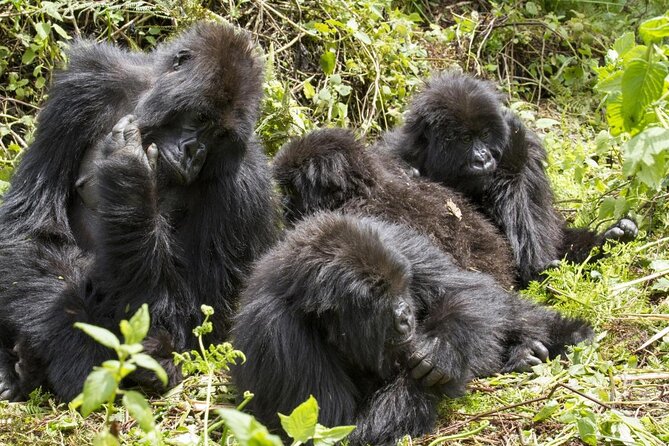
- Three primate experiences: Kibale chimpanzee tracking, Bigodi Wetlands, and the major gorilla trek in Bwindi.
- Time to recover at Lake Bunyonyi: Swimming, canoeing, island visits, hiking, biking, and birdwatching are optional.
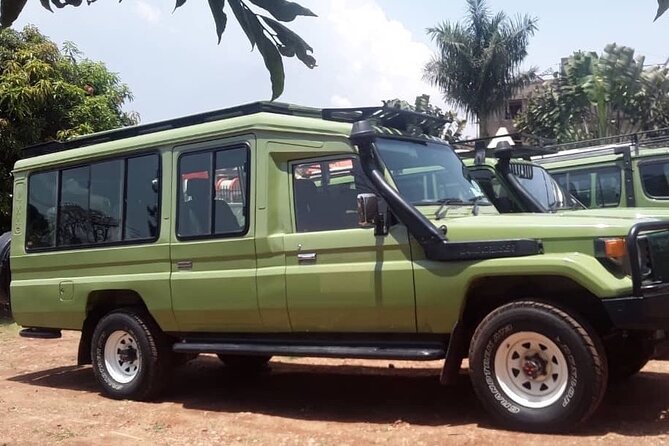
- Private transport throughout: A pop-up-roof 4×4, airport transfers, meals, park fees, and an English-speaking driver-guide are included.
A big Uganda circuit for the price
At $2,959 per person, this is not a budget trip, but it covers a great deal. You get 12 days of private ground transport, lodging, all listed meals, park entry fees, game drives, boat safaris, the top-of-the-falls excursion, rhino tracking, Bigodi Wetlands, Mabamba, and airport transfers.
The price does not include the two most expensive wildlife permits. Gorilla trekking adds $700, and chimpanzee tracking adds $200. That brings the known total to $3,859 per person before visa costs, insurance, drinks, laundry, and personal spending. Check the current permit prices when booking, since these fees can change.
The value is strongest if you want one carefully arranged trip rather than several separate bookings. Your driver-guide handles long transfers and park access, and the private setup means you are not sharing the whole journey with a large coach group. The tradeoff is simple: you pay for variety, but you spend plenty of time in the vehicle getting between it all.
A few more Kampala trips to weigh up
- 3 Days gorilla trekking Safari tour in Uganda
★ 5.0 · 121 reviews - 8-Day Murchison Falls, Chimp and Epic Gorilla Trekking Safari
★ 5.0 · 72 reviews - 3 Days Murchison Falls Adventure Wildlife Safari Uganda Tour
★ 5.0 · 61 reviews
Day 1: Mabamba’s narrow channels and the shoebill
The opening day begins with pickup at your Kampala or Entebbe hotel. Mabamba Swamp lies along Lake Victoria and is a RAMSAR wetland, with papyrus channels that are best explored by fishing boat.
The aim is the shoebill, one of Africa’s most sought-after birds. It often stays motionless while watching for lungfish, giving you a chance to see its enormous bill and prehistoric shape at close range. A specialist birding guide joins the boat trip, which matters in a place where patience and sharp eyes count.
This is a long first day, listed at about seven hours. The timing also appears to combine Mabamba with the journey toward Ziwa, so confirm the exact order and overnight location before you go. Early morning is the best period for the shoebill, and you should bring sun protection, water, and a camera that can handle some distance across open wetland.
Day 2: Walking with rhinos, then reaching Murchison Falls
At Ziwa Rhino Sanctuary, you leave the vehicle and track rhinos on foot for about 90 minutes. Rangers bring you close, sometimes to roughly 10 meters, while explaining the animals and Uganda’s rhino restoration work.
This is a rare kind of safari moment. You are not watching from behind a vehicle window, yet you are still with trained rangers in a protected setting. Keep your movements calm and follow instructions closely.
The route then continues to Murchison Falls National Park. Before crossing the Nile, you visit the top of the falls, where the river squeezes through a seven-meter gorge before dropping 43 meters. The spray, noise, and force make this more than a quick photo stop.
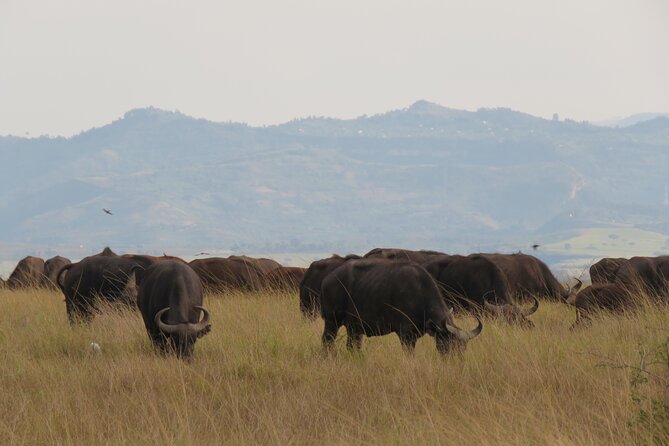
After lunch, you take your first game drive. Lions, elephants, leopards, buffaloes, antelopes, giraffes, warthogs, and savanna birds are all possible sightings. Wildlife is never guaranteed, but the park gives you a strong first taste of Uganda’s open-country safari.
Day 3: Nile wildlife from two angles
The early game drive is timed for cooler conditions and more active animals. Murchison Falls is known for a large giraffe population, and elephant numbers have increased through conservation and anti-poaching work described for the park.
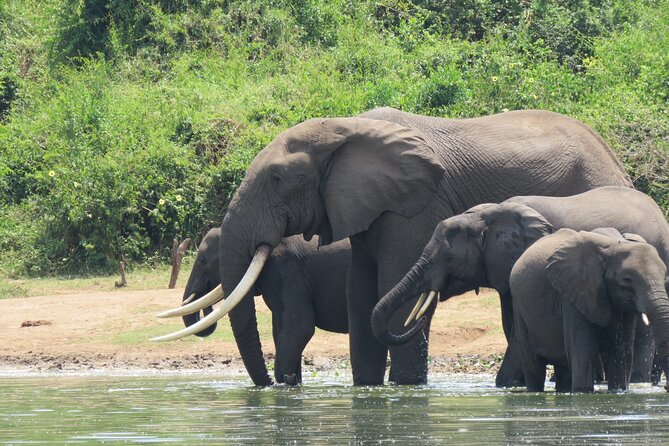
The afternoon boat safari travels along the Nile toward the base of the falls. This is one of the most useful parts of the trip because the riverbank gathers animals in a way that a game drive cannot always match. You might see hippos in the water, crocodiles along the edge, elephants coming to drink, buffaloes, antelopes, monitor lizards, and many birds.
The boat offers a slower pace after the morning drive. It also gives you a lower viewing angle, which can make animals at the water’s edge feel close. Bring a hat and protect your camera from spray and sun. If the top-of-the-falls visit did not happen on Day 2, it can be completed after the cruise.
Same country, a completely different kind of safari:
- 3 Hours Guided Cycling Tour Across Lake Victoria
★ 5.0 · 151 reviews - Kampala’s Best Experience walking tour
★ 5.0 · 137 reviews - Lake Victoria Island Cycling Tour from Kampala
★ 5.0 · 120 reviews - Kampala Walking City Tours (Women Guided)
★ 5.0 · 115 reviews
Day 4: A long transfer to Kibale Forest
After breakfast, you leave around 7 a.m. for Kibale Forest. The drive takes about six and a half to seven hours, including breaks and lunch in Fort Portal.
This is one of the less exciting road days, but it moves you from northern savanna into Uganda’s forest country. Kibale is known as East Africa’s primate center, and the change in scenery prepares you for the next day’s chimpanzee trek.
Bring snacks. The schedule specifically warns that a proper meal may be some time away. Comfortable clothing, a charged phone, and patience will help. The private vehicle is useful here because you can make reasonable comfort stops with your guide instead of following a fixed coach schedule.
Day 5: Chimpanzees and the Bigodi community
Chimpanzee tracking begins at Kibale headquarters after breakfast. The guided trek usually lasts about three and a half hours, though the exact time depends on where the chimpanzees are found.
The animals are habituated to people, but that does not make the forest walk effortless. You will move over uneven ground, and the forest can be demanding in warm or wet conditions. The park also contains 13 primate species, so you may see several kinds of monkeys during the search.
The minimum age for chimpanzee tracking is stated as 15. That is important for families, since the general safari minimum is listed as 14.
In the afternoon, Bigodi Wetlands offers a gentler walk on raised wooden planks. A community guide leads you through swamp habitat where the large blue turaco is a prized sight. Monkeys, butterflies, exotic birds, and the semi-aquatic sitatunga antelope are also possible.
Bigodi adds a human and conservation side to the forest visit. The guide comes from the local community, and the wetland is recognized as a UNESCO Sustainable Tourism Eco-Site. This is a good place to slow down and pay attention to smaller creatures after the excitement of chimpanzee tracking.
Day 6: Crater views and the Kasenyi plains
The drive to Queen Elizabeth National Park takes about two hours, followed by the Explosion Crater Drive. The route passes volcanic craters and lakes, with broad views from high points near the lodge.
The crater route is a scenic break rather than a classic wildlife activity. Your ranger explains how this part of the park formed, and the elevated viewpoints give you strong photo opportunities. Lunch and lodge check-in follow.
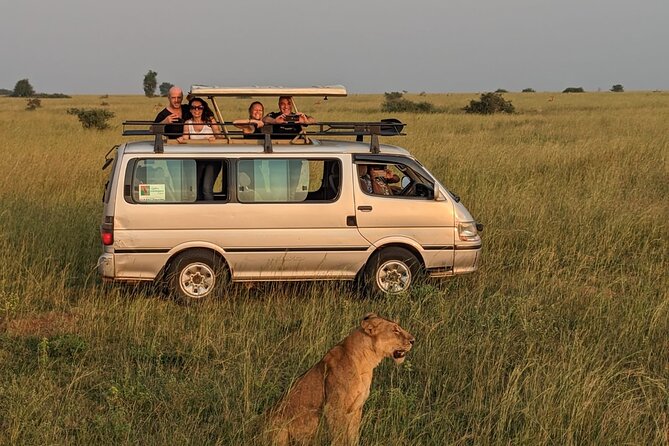
The afternoon game drive enters the Kasenyi plains. Lions, leopards, elephants, buffaloes, and antelopes are possible, and the pop-up roof lets you watch without the obstruction of a fixed vehicle roof. A Uganda Wildlife Authority ranger joins the driver-guide, giving you two sets of eyes and two sources of information.
The advertised drive lasts about two and a half to three hours. It is not an all-day wildlife hunt, so manage expectations. You get a solid introduction to Queen Elizabeth, with more time here on the following day.
Day 7: Sunrise predators and the Kazinga Channel
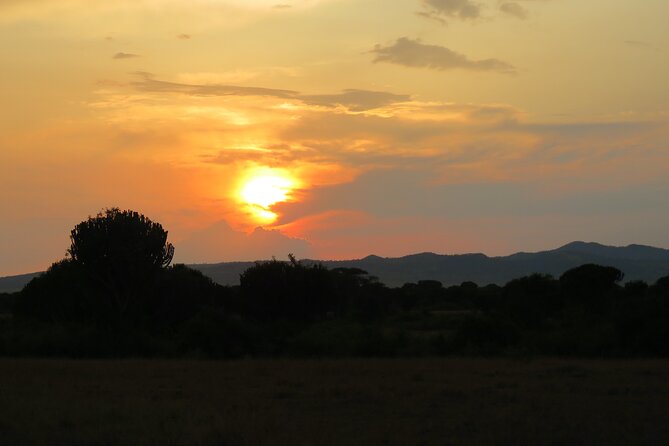
The second game drive usually begins at 6:30 a.m. You can eat breakfast before or after it, depending on the day’s arrangement. Morning is the best time to look for predators returning from nighttime activity, and the sunrise adds a memorable backdrop.
An optional Lion Tracking Research experience is also described, involving collared lions and conservation work with the Uganda Carnivore Project and Uganda Wildlife Association. Confirm whether this is part of your planned schedule or an additional choice before departure.
The afternoon Kazinga Channel boat safari is another major highlight. The two-hour cruise passes one of Uganda’s best areas for hippos, along with crocodiles, elephants, buffaloes, antelopes, monitor lizards, and water birds.
You can use the larger Uganda Wildlife Authority boat or choose a smaller boat for a higher cost. Both provide good views, but the smaller option may appeal if you want a more private feel. Large pelican groups and animals gathered along the water make this a productive outing even when the savanna game drive has been quiet.
Day 8: Ishasha’s tree-climbing lions
The drive to Ishasha takes about two and a half to three hours. This southern section of Queen Elizabeth is known for tree-climbing lions, the unusual stars of the day.
A game drive with a Uganda Wildlife Authority ranger lasts about three hours. The route may also reveal topi, elephants, leopards, buffaloes, and other antelopes. The tree-climbing lions are a sought-after sight, but no guide can promise that the animals will be visible or resting in trees on your exact day.
After lunch near Savannah Resort, you continue toward the Ruhija area of Bwindi. The transfer takes another two and a half hours, making this another full day. Pack a small bag where you can reach rain gear and snacks, since the next morning begins the most physically demanding part of the safari.
Day 9: Gorilla trekking in Bwindi
Gorilla trekking begins with breakfast and a safety briefing. The hike can last from a short walk to a full day, with three to five hours given as a typical range. Once you reach the family, you receive one hour with the gorillas.
This is not a casual nature walk. Bwindi’s terrain can be rough, muddy, steep, and wet, so sturdy boots, light trousers, a long-sleeved shirt, a hat, and a light rain jacket are sensible. Cotton garden gloves can help when you need to grip vines or branches. Carry a daypack, and consider hiring a porter through the driver.
The trek is limited to people aged 15 and older. That differs from the general tour minimum of 14, so families should check ages before paying deposits. The $700 gorilla permit is not included in the tour price.
After the trek, you travel toward Lake Bunyonyi, about two and a half hours away, or possibly stay another night near Bwindi depending on the arrangement. This timing should be confirmed, since a long hike followed by a transfer may feel tiring.
Day 10: Rest beside Lake Bunyonyi
Lake Bunyonyi is the trip’s natural pause. After the gorilla trek, you can choose a quiet day by the water or pay for optional activities such as swimming, paddling a dugout canoe, taking a motorboat, or visiting some of the lake’s 29 islands.
Hiking, biking, birdwatching, village visits, nature walks, and cultural activities are also listed. These choices are not included, so ask for prices before committing. The lake day is valuable because it gives your body time to recover instead of stacking another demanding hike immediately after Bwindi.
You may stay another night near Bwindi rather than at the lake, depending on the final plan. Get this detail in writing. It changes both your rest time and the rhythm of the journey.
Day 11: Lake Mburo’s smaller-scale safari
The drive to Lake Mburo takes about five hours, with lunch in Mbarara. After arriving, you take a one and a half to two-hour game drive before checking into Rwakobo Rock Lodge, described as sitting high on a ridge overlooking the park.
Lake Mburo feels different from Murchison Falls and Queen Elizabeth. The focus is on rolling savanna and antelopes, including eland, giraffes, and Burchell zebras. Leopards are possible, though not common on every drive.
This stop works well near the end of a long circuit. You still get wildlife, but the park visit is less demanding than another major forest trek. The ridge setting at the lodge also gives you a final chance to enjoy Uganda’s open country without rushing straight back to Kampala.
Day 12: A final walk, the Equator, and departure
After breakfast, a 90-minute nature walk with a Uganda Wildlife Authority ranger leads to a salt lick. The hide there gives you a chance to watch wildlife at close range, and the walk offers a more personal ending than one last drive from the vehicle.
After lunch, the route continues toward Kampala or Entebbe, with a stop at the Equator for photos. The tour ends in the late afternoon, though road conditions and the final drop-off can affect the exact arrival time. Do not schedule a tight international connection without checking the transfer plan.
Who will enjoy this safari most
I would choose this trip if you want Uganda’s major highlights in one private journey and you are comfortable with early starts, long drives, forest walking, and changing scenery. It suits couples, families with older children, photographers, birdwatchers, and first-time visitors who want a guide to handle the complicated parts.
It is less suitable if you want a slow luxury holiday or dislike moving hotels. The schedule packs in a lot, and the safari vehicle is your main transport for several long stretches. A private trip helps, but it cannot remove the distances between parks.
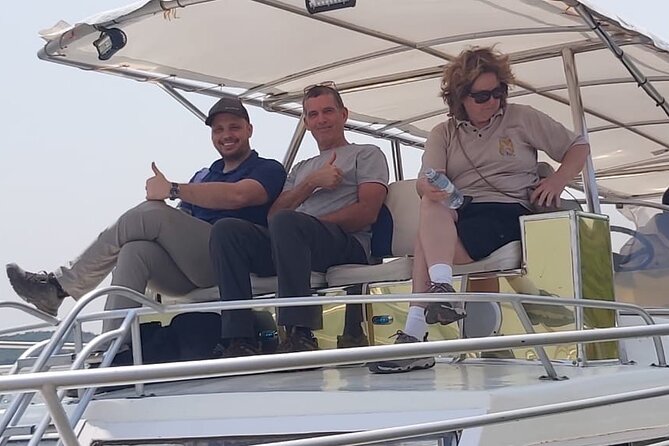
The most praised elements connected with this experience are the helpful trip planning by Jesse and Tom, the personal support of guides such as Sula and Gerald, and the wide variety of activities. If guide rapport matters to you, ask who is assigned and request one of the named guides if available.
What to pack and confirm before paying
Bring sturdy walking shoes, light trousers, long sleeves, rain protection, a hat, gloves for the gorilla trek, a daypack, snacks, and enough camera storage. Bottled drinking water is supplied on drives, and meals are included according to the schedule.
Confirm the gorilla and chimpanzee permit arrangements, the exact lodge list, the Day 1 order, the Bwindi to Lake Bunyonyi plan, and any optional Lake Bunyonyi activities. Also budget for visa costs, alcoholic and fizzy drinks, laundry, and personal or travel insurance.
Free cancellation is available if you cancel at least 24 hours before the local start time. Changes or cancellations inside that window are not accepted for a refund.
Should you book it?
Book this Uganda safari if the idea of combining gorillas, chimps, classic game drives, rhinos, shoebills, boat safaris, and lakeside rest sounds better than specializing in one region. The itinerary gives you a remarkably broad look at the country, and private transport adds comfort and control.
Skip it if you want minimal road time, a luxury lodge-focused holiday, or a trip with no major extra fees. The $900 in listed primate permits is a serious addition, and the schedule asks for good fitness.
For the right person, this is a strong value: not because it is cheap, but because it joins Uganda’s hardest-to-arrange wildlife experiences in one organized route.
FAQ
Where does the safari start?
Pickup is offered from your hotel in Kampala or Entebbe. The stated start time is 6:00 a.m.
Is this a private safari?
Yes. Only your group participates in the activity.
What type of vehicle is used?
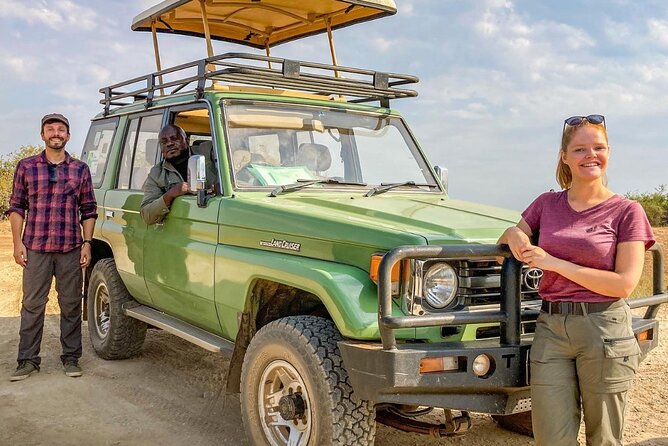
Ground transport and airport transfers use a 4×4 safari vehicle with a pop-up roof.
Are park entry fees included?
Yes. Entry fees for the listed parks, including the vehicle and driver-guide, are included.
Are gorilla and chimpanzee permits included?
No. The gorilla trekking permit is listed at $700, and the Kibale chimpanzee tracking permit is listed at $200.
How old must you be to join?
The general tour minimum is 14 years old. The chimpanzee tracking and gorilla trekking activities each state a minimum age of 15.
Are meals included?
Yes. The package includes 11 breakfasts, 11 dinners, and 12 lunches, including meals outside the lodges as specified in the schedule.
Are activities at Lake Bunyonyi included?
No. Swimming, canoeing, motorboat rides, island visits, hiking, biking, birdwatching, village visits, and cultural activities are optional and not included in the tour cost.
Can I cancel for a full refund?
Yes, if you cancel at least 24 hours before the experience start time. Cancellations or changes made less than 24 hours beforehand are not refunded.
Just added around Kampala
- Uganda Equator Tour From Kampala To Kayabwe★ 5.0 · 4 reviews
- Uganda: 1-Day Murchison Falls Park Safari with Boat cruise★ 5.0 · 3 reviews
- 3-Day Mind Refreshing in Murchison Falls National Park★ 5.0 · 4 reviews
- Entebbe kampala airport transfers★ 5.0 · 3 reviews
- 3 Days Uganda Gorilla trek Safari Tour★ 5.0 · 4 reviews
- Weekend Package B★ 5.0 · 7 reviews
- Uganda 4 days Gorilla Trekking★ 5.0 · 3 reviews
- 15 Day Gorillas, Chimps and Big 5 Safari Tour★ 5.0 · 5 reviews
Private, compared.
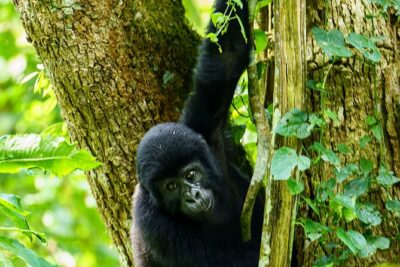
Private 3 Day Gorilla Trekking Safari in Uganda
Read the review →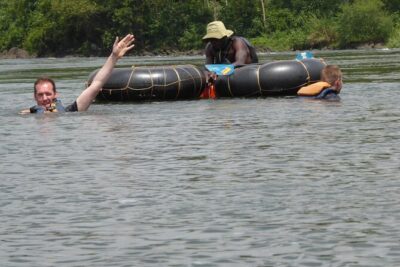
Private Whitewater Tubing in Bujagali Hydropower Plant
Read the review →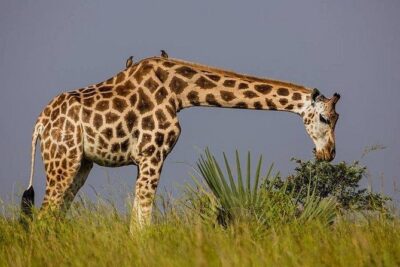
3 Day Private safari to Murchison Falls National Park with Big Five Experience
Read the review →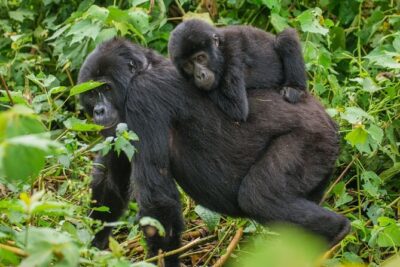
3-Day Private Guided Gorilla Trekking In Uganda
Read the review →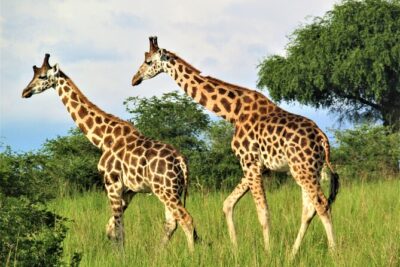
13 Days Private tour to discover Uganda’s Best Safari
Read the review →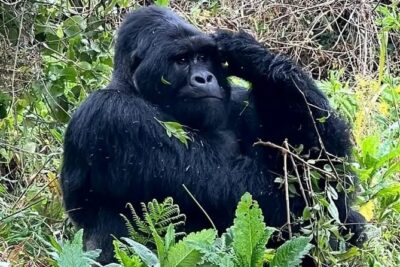
3-Day Private Guided Gorilla Trekking Uganda and Batwa Experience
Read the review →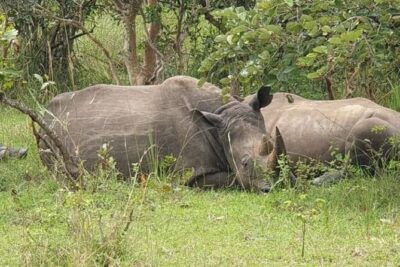
3-Day Private Safari of Murchison Falls National Park
Read the review →
Private Ugandan Food Cooking Class and Culture Experience
Read the review →Browse the lists this tour appears in